Great Expectations: A Modern Reimagining of a Classic Tale

priceless-stories.org – Released in 1998, Great Expectations is a modern adaptation of Charles Dickens’ classic novel of the same name. Directed by Alfonso Cuarón, the film offers a dark and twisted reimagining of the story, set in contemporary London.

A Tale of Obsession and Redemption

The film follows the story of Finn Bell (Ethan Hawke), a young artist who becomes entangled in a web of obsession and deceit. When he encounters the mysterious Estella (Gwyneth Paltrow), he is captivated by her beauty and cruelty. As their relationship unfolds, Finn becomes obsessed with her, leading to a series of tragic events.

A Stylish and Atmospheric Film

Great Expectations is a visually stunning film, with Cuarón’s signature style on full display. The film’s dark and atmospheric tone is enhanced by its stunning cinematography and evocative score. The film’s London setting is brought to life with gritty realism, capturing the city’s seedy underbelly and its stark contrasts.

A Stellar Cast

The film boasts a stellar cast, including Ethan Hawke, Gwyneth Paltrow, Robert De Niro, and Anne Bancroft. Hawke delivers a powerful performance as the conflicted and obsessive Finn, while Paltrow portrays Estella with a chilling intensity. De Niro shines as the enigmatic benefactor, Magwitch, and Bancroft brings a touch of class and elegance to the role of Miss Havisham.

A Modern Classic

Great Expectations is a bold and innovative adaptation of a beloved classic. Cuarón’s distinctive vision and the strong performances of the cast have elevated the film to the status of a modern classic. While it may not be a traditional adaptation, the film captures the essence of Dickens’ original story, exploring themes of love, loss, and the corrupting influence of wealth and power.

Quickie Express – A Bold Comedy Exploring Modern Jakarta

priceless-stories.org – “Quickie Express” is a 2007 Indonesian comedy film directed by Dimas Djayadiningrat. Known for its bold and humorous take on modern urban life in Jakarta, the movie offers a satirical glimpse into the world of professional escort services. With its witty script and engaging performances, “Quickie Express” became a notable entry in the Indonesian film scene.

Plot Overview

The film follows the story of Jojo, played by Tora Sudiro, a young man struggling to make ends meet in Jakarta. In an unexpected twist of fate, Jojo lands a job at the “Quickie Express,” a high-end escort service disguised as a pizza delivery company. Alongside his friends Piktor (Aming) and Marley (Lukman Sardi), Jojo navigates the challenges and comedic situations that arise from their unconventional line of work. As Jojo becomes more involved in the business, he grapples with his identity and the moral complexities of his job.

Themes and Motifs

“Quickie Express” delves into themes of identity, societal expectations, and the pursuit of a better life in a rapidly modernizing city. The film uses humor to address the contrasts between traditional values and contemporary lifestyles, reflecting the changing cultural dynamics in Jakarta. It also explores friendship and loyalty, as the protagonists support each other through their comedic misadventures.

Cinematic Style

Director Dimas Djayadiningrat employs a vibrant and energetic style to bring the story to life. The film’s comedic timing, coupled with clever dialogue, offers a fresh and entertaining perspective on urban life. The colorful depiction of Jakarta’s nightlife and the eccentric characters add to the film’s charm, creating a lively backdrop for the unfolding narrative.

Critical Reception

Upon its release, “Quickie Express” received positive reviews for its humor and originality. The film was praised for its ability to tackle taboo subjects with wit and sensitivity. The performances of the lead actors, particularly Tora Sudiro, were highlighted for their comedic prowess and chemistry. The film’s success marked a shift in Indonesian cinema, showcasing a willingness to explore unconventional topics with humor and creativity.

Impact on Indonesian Cinema

“Quickie Express” contributed to the diversification of Indonesian cinema by pushing the boundaries of traditional storytelling. It opened the door for more films that explore contemporary issues with humor and satire, encouraging filmmakers to experiment with different genres and narrative styles. The film’s success demonstrated the audience’s appetite for fresh and engaging content that reflects modern Indonesian society.

Conclusion

“Quickie Express” stands out as a bold and entertaining comedy that captures the essence of modern Jakarta. Through its humorous exploration of unconventional themes, the film invites viewers to reflect on the complexities of urban life and the pursuit of happiness. Its lively narrative and memorable characters continue to resonate with audiences, highlighting the evolving landscape of Indonesian cinema.

The Evolution of NATO: From Cold War to Modern Security

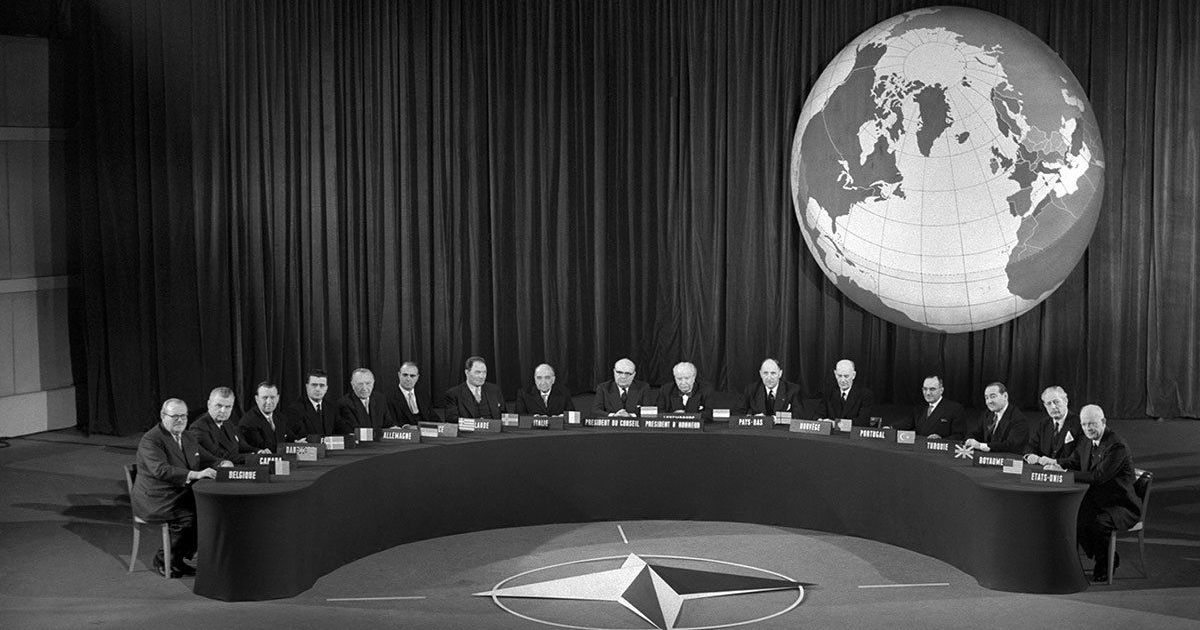
priceless-stories.org – The North Atlantic Treaty Organization (NATO) was established in 1949 as a response to the perceived threat of Soviet aggression during the Cold War. Over the decades, NATO has transformed from a Cold War defense alliance to a global security partner, adapting to the changing geopolitical landscape and emerging security challenges. This article explores the evolution of NATO, examining its historical origins, its role during the Cold War, and its current position in addressing modern security challenges.

Historical Origins and Cold War Role

NATO was founded on April 4, 1949, with the signing of the North Atlantic Treaty by 12 founding member countries. The primary objective was to deter Soviet expansionism and prevent the resurgence of nationalist militarism in Europe. NATO’s initial focus was on collective defense, as outlined in Article 5 of the treaty, which states that an attack on one member is considered an attack on all members.

During the Cold War, NATO served as a bulwark against Soviet influence, maintaining a robust military presence in Europe and fostering political integration among its members. The Alliance’s military strategy was centered on deterrence, with a strong emphasis on conventional and nuclear forces to counterbalance the Soviet threat.

Post-Cold War Evolution

The dissolution of the Soviet Union in 1991 marked the end of the Cold War and presented NATO with new challenges and opportunities. The Alliance had to redefine its purpose and adapt to a rapidly changing geopolitical landscape. NATO’s response was to expand its membership to include Central and Eastern European countries, thereby extending its security guarantees to these newly democratic states.

The 1990s saw NATO engage in its first out-of-area operations, including peacekeeping missions in the Balkans. This marked a significant shift from its original defensive role to a more proactive and interventionist approach. The Alliance also began to address new security challenges, such as terrorism, following the 9/11 attacks in 2001. The activation of Article 5 in response to these attacks was a historic moment, demonstrating NATO’s commitment to collective defense in the face of non-state actors.

Modern Security Challenges

In the 21st century, NATO has continued to evolve to meet the complex and multifaceted security challenges of the modern era. The illegal annexation of Crimea by Russia in 2014 and the ongoing conflict in Ukraine have rekindled concerns about great power rivalry and the need for collective defense. NATO has responded by enhancing its deterrence posture in Eastern Europe and increasing its military presence in the region.

Beyond traditional military threats, NATO has also expanded its scope to address emerging challenges such as cybersecurity, disinformation campaigns, and the weaponization of new technologies. The Alliance has initiated various programs to enhance its capabilities in these areas, recognizing the interconnected nature of modern security threats.

Conclusion

NATO’s evolution from a Cold War defense alliance to a global security partner underscores its adaptability and resilience in the face of changing geopolitical landscapes. From its origins as a bulwark against Soviet expansionism to its current role in addressing complex transboundary challenges, NATO has demonstrated its commitment to maintaining peace and security in Europe and beyond. As the Alliance continues to navigate the complexities of the modern security environment, its ability to innovate and collaborate will be crucial in ensuring its relevance and effectiveness in the years to come.

Modern Architecture in South Korea: Seoul Skyscrapers

priceless-stories.org – South Korea, with its bustling capital city of Seoul, has become a global hub for innovation, technology, and modern architecture. Among the myriad of attractions that Seoul offers, its skyline, punctuated by towering skyscrapers, stands out as a testament to the country’s rapid development and architectural prowess. These structures are not just buildings; they are symbols of South Korea’s economic growth, cultural identity, and technological advancement.

The Rise of Seoul’s Skyscrapers

The history of skyscrapers in Seoul is relatively recent, with the city’s skyline beginning to change dramatically in the late 20th century. This transformation was fueled by South Korea’s rapid industrialization and economic boom, which saw the country transition from a developing nation to a leading global economy. As Seoul grew, so did its appetite for modern architecture, leading to the construction of numerous skyscrapers that now define the city’s landscape.

Iconic Skyscrapers of Seoul

Lotte World Tower

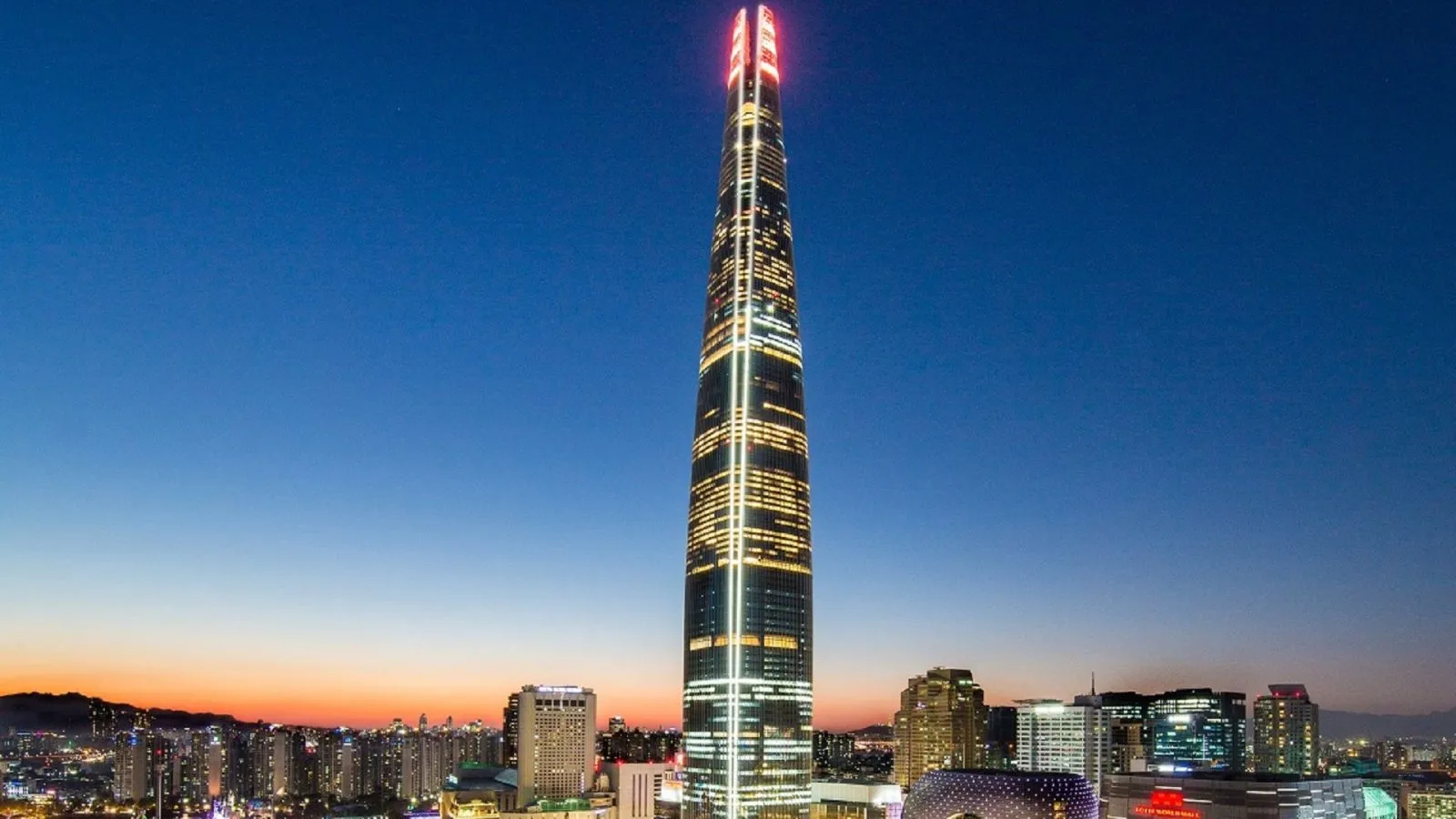
Standing tall at 555 meters, the Lotte World Tower is the epitome of modern architecture in Seoul. Completed in 2016, this skyscraper is not just the tallest building in Korea but also one of the tallest in the world. Its sleek, tapered design and glass facade reflect the city’s commitment to innovation and aesthetic beauty. The tower houses a shopping mall, offices, hotels, and residential apartments, making it a microcosm of urban living.

N Seoul Tower

While not as tall as its modern counterparts, the N Seoul Tower holds a special place in the city’s architectural landscape. Located atop Namsan Mountain, this 236-meter-tall communication and observation tower offers panoramic views of Seoul. Its unique location and the N Seoul Tower N Grill, a revolving restaurant, make it a popular tourist attraction. The tower is a symbol of the city’s blend of tradition and modernity, with its base surrounded by the ancient Namsangol Hanok Village.

COEX Mall

The COEX Mall is a significant architectural achievement, not for its height but for its sprawling size and innovative design. This underground shopping and convention center is one of the largest of its kind in the world. The complex includes a mall, a convention center, a casino, and several hotels, all connected by a network of underground passages. The COEX Mall is a prime example of how Seoul integrates modern architecture with functionality and convenience.

The Role of Skyscrapers in Seoul’s Urban Development

Skyscrapers in Seoul are more than just impressive structures; they play a crucial role in the city’s urban development. By maximizing space in a densely populated area, these buildings help address the challenges of urban living, such as housing shortages and traffic congestion. Moreover, they serve as economic hubs, attracting businesses, tourists, and investors to the city.

Conclusion

Seoul’s skyscrapers are a testament to South Korea’s remarkable journey from post-war devastation to a global leader in technology and architecture. These towering structures are emblematic of the city’s dynamic spirit, blending traditional Korean aesthetics with cutting-edge design. As Seoul continues to evolve, its skyline will undoubtedly feature even more innovative and breathtaking architectural marvels, further cementing its status as a city of the future.