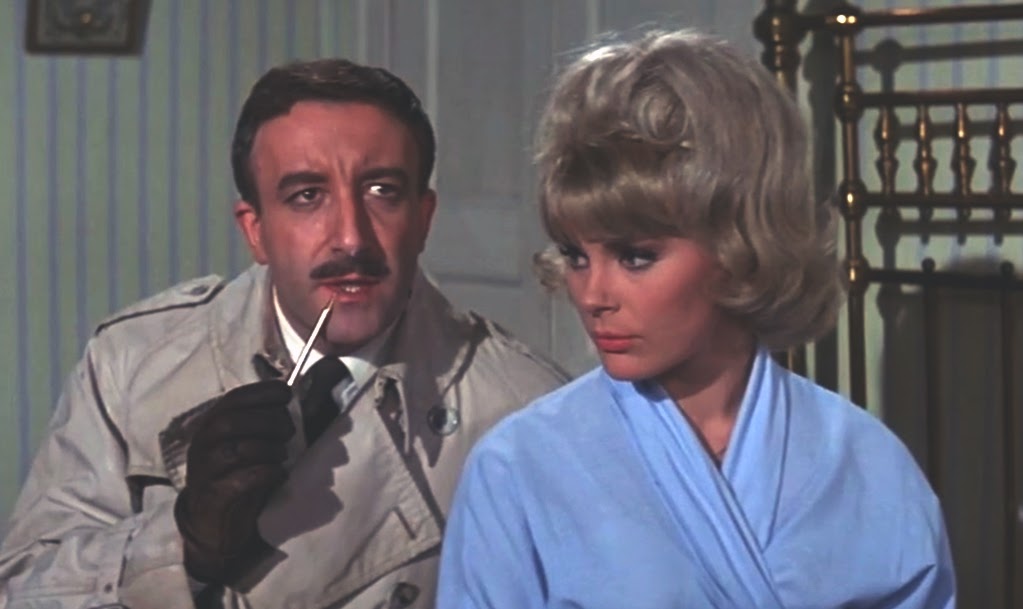
A Shot in the Dark (1964): A Classic in Comedy and Mystery

priceless-stories.org – “A Shot in the Dark” is a 1964 comedy film directed by Blake Edwards and is a significant entry in the classic “Inspector Clouseau-Pink Panther” series. The film marks the second installment of the franchise and is often considered one of the best, showcasing Peter Sellers in the iconic role of the bumbling Inspector Jacques Clouseau.

Plot Overview

The film is set against the backdrop of a grand Parisian estate, where a murder has taken place. The Spanish driver of the wealthy M. Ballon is found dead, and all evidence points to the maid, Maria Gambrelli, as the culprit. Despite the overwhelming evidence, Inspector Clouseau is convinced of her innocence and sets out to prove it, leading to a series of comedic misadventures and slapstick humor that define the film’s charm.

Characters and Performances

  • Peter Sellers as Inspector Jacques Clouseau: Sellers’ portrayal of Clouseau is both hilarious and endearing. His perfect timing and physical comedy bring the character to life, making Clouseau one of the most beloved characters in cinema history.
  • Elke Sommer as Maria Gambrelli: Sommer plays the role of the beautiful maid who becomes the center of Clouseau’s investigation. Her chemistry with Sellers adds a delightful layer to the film.
  • Supporting Cast: The film also features strong performances from Herbert Lom, who plays Commissioner Dreyfus, and George Sanders, who adds depth to the mystery.

Direction and Production

Blake Edwards, known for his expertise in comedy, directs the film with a keen eye for timing and visual gags. The screenplay, co-written by Edwards and William Peter Blatty, is sharp and witty, providing a robust framework for the actors to shine. The film’s production design captures the elegance of Paris, enhancing the film’s aesthetic appeal.

Legacy and Impact

“A Shot in the Dark” is widely regarded as a masterpiece of comedy and crime cinema. It established Inspector Clouseau as a viable series character, leading to several sequels that continued to explore his comedic escapades. The film’s success paved the way for a new genre of comedy that blends mystery with slapstick humor.

Conclusion

In conclusion, “A Shot in the Dark” is more than just a comedy; it is a film that has stood the test of time, thanks to its brilliant performances, clever direction, and engaging plot. It remains a must-watch for fans of classic cinema and those who appreciate the art of comedic storytelling.


Scenes from the Class Struggle in Beverly Hills (1989)

priceless-stories.org – “Scenes from the Class Struggle in Beverly Hills” is a 1989 satirical comedy film directed by Paul Bartel. Known for its incisive humor and social commentary, the film takes a comedic look at the excesses and eccentricities of the wealthy elite in Beverly Hills. With a talented ensemble cast, the film explores themes of class, privilege, and human folly through a series of farcical events and sharp observations.

Plot Overview

The film centers on a group of affluent individuals living in Beverly Hills, whose lives become hilariously intertwined over the course of a weekend. At the heart of the story is Clare Lipkin, played by Jacqueline Bisset, a recently widowed soap opera star who is hosting her best friend Lisabeth’s (Mary Woronov) family and other eccentric guests at her luxurious home.

As the guests settle in, a wager between two household staff members, Juan the chauffeur (Robert Beltran) and Frank the cook (Ray Sharkey), sets off a chain of comedic and chaotic events. The two men bet on who can seduce the other’s employer first, leading to a series of romantic entanglements and misunderstandings that expose the pretensions and insecurities of the wealthy residents.

Character Dynamics

Jacqueline Bisset shines as Clare Lipkin, portraying her with a mix of elegance and comedic flair. Mary Woronov’s performance as Lisabeth adds a layer of witty sarcasm, while Robert Beltran and Ray Sharkey provide much of the film’s humor with their scheming antics.

The ensemble cast includes Ed Begley Jr., Wallace Shawn, and Arnetia Walker, each contributing to the film’s rich tapestry of characters. Their interactions highlight the absurdities and contradictions inherent in the lives of the privileged, providing a humorous critique of social norms and status.

Production and Style

Directed by Paul Bartel, known for his unique brand of dark comedy, “Scenes from the Class Struggle in Beverly Hills” employs a satirical lens to examine the lives of its characters. The film’s script, also written by Bartel, is filled with sharp dialogue and clever situations that lampoon the excesses of the wealthy.

The film’s visual style captures the opulence of Beverly Hills, contrasting it with the ridiculousness of the characters’ actions and desires. This juxtaposition underscores the film’s satirical edge, inviting audiences to laugh at the follies of those who equate wealth with happiness and fulfillment.

Cultural Impact

While not a mainstream hit, “Scenes from the Class Struggle in Beverly Hills” has garnered a cult following for its witty satire and bold humor. The film’s commentary on class and privilege remains relevant, resonating with audiences who appreciate its critique of societal norms and the absurdity of status-driven lifestyles.

The film stands as a testament to Paul Bartel’s ability to blend comedy with social commentary, offering a humorous yet insightful look at the human condition.

Conclusion

“Scenes from the Class Struggle in Beverly Hills” delivers a sharp and entertaining satire on wealth, status, and human folly. Through its engaging plot and memorable performances, the film invites audiences to reflect on the absurdities of societal norms while enjoying a comedic romp through the lives of Beverly Hills’ elite.

Quickie Express – A Bold Comedy Exploring Modern Jakarta

priceless-stories.org – “Quickie Express” is a 2007 Indonesian comedy film directed by Dimas Djayadiningrat. Known for its bold and humorous take on modern urban life in Jakarta, the movie offers a satirical glimpse into the world of professional escort services. With its witty script and engaging performances, “Quickie Express” became a notable entry in the Indonesian film scene.

Plot Overview

The film follows the story of Jojo, played by Tora Sudiro, a young man struggling to make ends meet in Jakarta. In an unexpected twist of fate, Jojo lands a job at the “Quickie Express,” a high-end escort service disguised as a pizza delivery company. Alongside his friends Piktor (Aming) and Marley (Lukman Sardi), Jojo navigates the challenges and comedic situations that arise from their unconventional line of work. As Jojo becomes more involved in the business, he grapples with his identity and the moral complexities of his job.

Themes and Motifs

“Quickie Express” delves into themes of identity, societal expectations, and the pursuit of a better life in a rapidly modernizing city. The film uses humor to address the contrasts between traditional values and contemporary lifestyles, reflecting the changing cultural dynamics in Jakarta. It also explores friendship and loyalty, as the protagonists support each other through their comedic misadventures.

Cinematic Style

Director Dimas Djayadiningrat employs a vibrant and energetic style to bring the story to life. The film’s comedic timing, coupled with clever dialogue, offers a fresh and entertaining perspective on urban life. The colorful depiction of Jakarta’s nightlife and the eccentric characters add to the film’s charm, creating a lively backdrop for the unfolding narrative.

Critical Reception

Upon its release, “Quickie Express” received positive reviews for its humor and originality. The film was praised for its ability to tackle taboo subjects with wit and sensitivity. The performances of the lead actors, particularly Tora Sudiro, were highlighted for their comedic prowess and chemistry. The film’s success marked a shift in Indonesian cinema, showcasing a willingness to explore unconventional topics with humor and creativity.

Impact on Indonesian Cinema

“Quickie Express” contributed to the diversification of Indonesian cinema by pushing the boundaries of traditional storytelling. It opened the door for more films that explore contemporary issues with humor and satire, encouraging filmmakers to experiment with different genres and narrative styles. The film’s success demonstrated the audience’s appetite for fresh and engaging content that reflects modern Indonesian society.

Conclusion

“Quickie Express” stands out as a bold and entertaining comedy that captures the essence of modern Jakarta. Through its humorous exploration of unconventional themes, the film invites viewers to reflect on the complexities of urban life and the pursuit of happiness. Its lively narrative and memorable characters continue to resonate with audiences, highlighting the evolving landscape of Indonesian cinema.