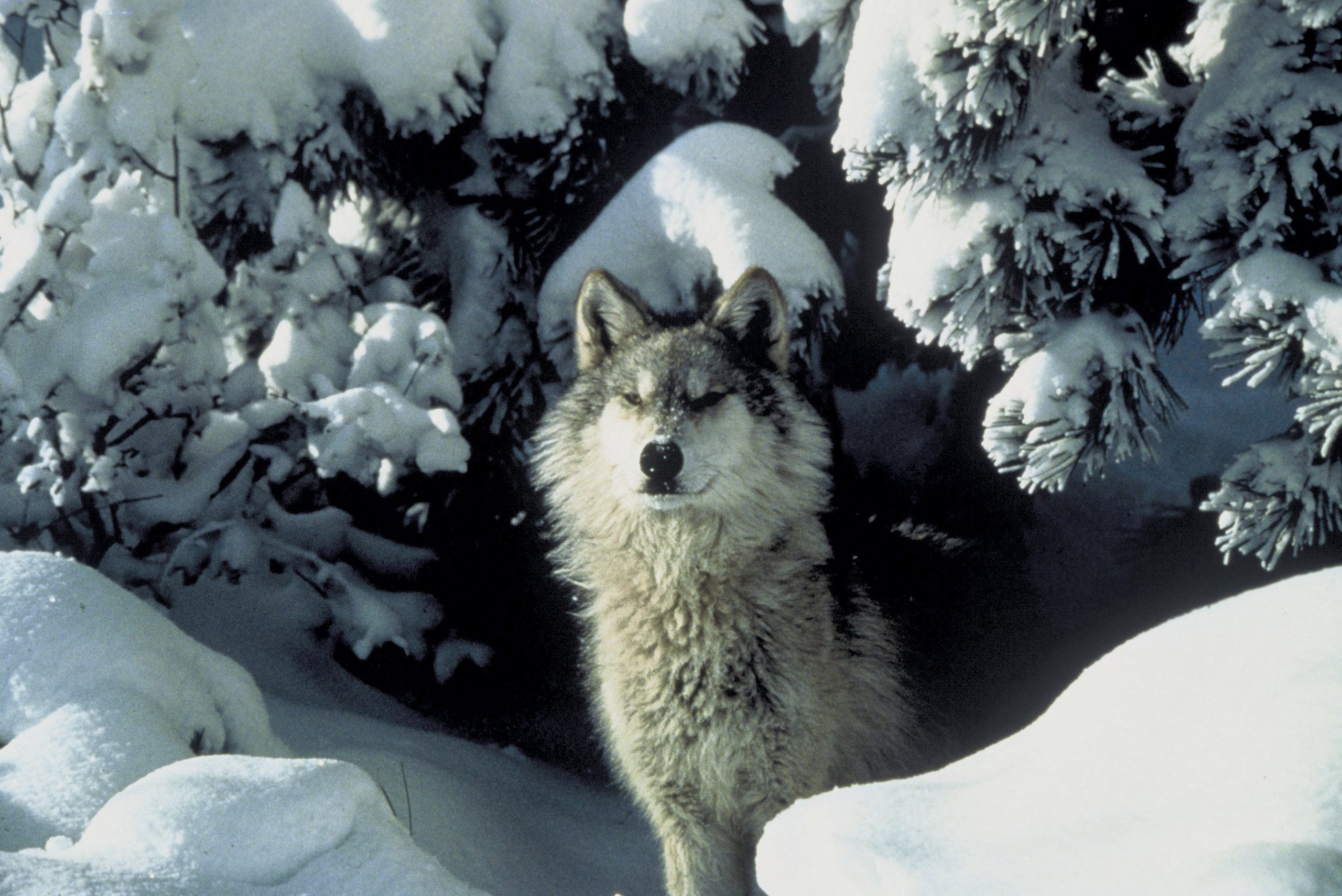
The Gray Wolf: Conservation and Challenges

priceless-stories.org – The gray wolf, a symbol of wilderness and ecological balance, has faced significant conservation challenges over the years. Once widespread across North America, Europe, and Asia, gray wolf populations have dramatically declined due to habitat loss, hunting, and human-wildlife conflict. This article examines the efforts to conserve gray wolves, the challenges they face, and the importance of their role in ecosystems.

The Importance of Gray Wolves

Gray wolves are apex predators, playing a vital role in maintaining the health and stability of ecosystems. By regulating prey populations such as deer and elk, wolves prevent overgrazing and promote biodiversity. Their presence can lead to a cascade of ecological benefits, influencing the distribution of other species and contributing to the overall balance of the environment.

Conservation Efforts

  1. Legal Protection: In many regions, gray wolves are protected by national and international laws. The Endangered Species Act in the United States, for example, has been instrumental in facilitating the recovery of wolf populations in certain areas.
  2. Reintroduction Programs: Efforts to reintroduce gray wolves into their historical ranges have seen some success. The reintroduction of wolves to Yellowstone National Park is a notable example, where their presence has led to positive ecological changes, including the restoration of vegetation and increased biodiversity.
  3. Public Awareness and Education: Raising awareness about the ecological importance of gray wolves and dispelling myths surrounding them are crucial for gaining public support for conservation initiatives. Educational programs and community engagement help foster coexistence between humans and wolves.

Challenges Facing Gray Wolves

Despite conservation efforts, gray wolves continue to face significant challenges:

  1. Human-Wildlife Conflict: As wolf populations recover, conflicts with humans, particularly livestock farmers, have increased. Wolves sometimes prey on livestock, leading to economic losses and tension with local communities. Finding solutions to mitigate these conflicts is essential for successful conservation.
  2. Habitat Loss: Urbanization, agriculture, and infrastructure development continue to fragment and reduce suitable habitats for gray wolves. Protecting and restoring these habitats is critical for their long-term survival.
  3. Political and Legal Hurdles: The conservation status of gray wolves often varies by region and is subject to political and legal debates. Changes in policies and management practices can impact the effectiveness of conservation efforts.

Conclusion

The conservation of gray wolves is a complex and ongoing challenge, requiring collaboration between governments, conservation organizations, and local communities. By addressing the challenges they face and recognizing their ecological importance, we can work towards ensuring the survival of gray wolves for future generations. Their presence not only enriches the natural world but also serves as a reminder of the intricate connections that sustain our ecosystems.

The Evolution of NATO: From Cold War to Modern Security

priceless-stories.org – The North Atlantic Treaty Organization (NATO) was established in 1949 as a response to the perceived threat of Soviet aggression during the Cold War. Over the decades, NATO has transformed from a Cold War defense alliance to a global security partner, adapting to the changing geopolitical landscape and emerging security challenges. This article explores the evolution of NATO, examining its historical origins, its role during the Cold War, and its current position in addressing modern security challenges.

Historical Origins and Cold War Role

NATO was founded on April 4, 1949, with the signing of the North Atlantic Treaty by 12 founding member countries. The primary objective was to deter Soviet expansionism and prevent the resurgence of nationalist militarism in Europe. NATO’s initial focus was on collective defense, as outlined in Article 5 of the treaty, which states that an attack on one member is considered an attack on all members.

During the Cold War, NATO served as a bulwark against Soviet influence, maintaining a robust military presence in Europe and fostering political integration among its members. The Alliance’s military strategy was centered on deterrence, with a strong emphasis on conventional and nuclear forces to counterbalance the Soviet threat.

Post-Cold War Evolution

The dissolution of the Soviet Union in 1991 marked the end of the Cold War and presented NATO with new challenges and opportunities. The Alliance had to redefine its purpose and adapt to a rapidly changing geopolitical landscape. NATO’s response was to expand its membership to include Central and Eastern European countries, thereby extending its security guarantees to these newly democratic states.

The 1990s saw NATO engage in its first out-of-area operations, including peacekeeping missions in the Balkans. This marked a significant shift from its original defensive role to a more proactive and interventionist approach. The Alliance also began to address new security challenges, such as terrorism, following the 9/11 attacks in 2001. The activation of Article 5 in response to these attacks was a historic moment, demonstrating NATO’s commitment to collective defense in the face of non-state actors.

Modern Security Challenges

In the 21st century, NATO has continued to evolve to meet the complex and multifaceted security challenges of the modern era. The illegal annexation of Crimea by Russia in 2014 and the ongoing conflict in Ukraine have rekindled concerns about great power rivalry and the need for collective defense. NATO has responded by enhancing its deterrence posture in Eastern Europe and increasing its military presence in the region.

Beyond traditional military threats, NATO has also expanded its scope to address emerging challenges such as cybersecurity, disinformation campaigns, and the weaponization of new technologies. The Alliance has initiated various programs to enhance its capabilities in these areas, recognizing the interconnected nature of modern security threats.

Conclusion

NATO’s evolution from a Cold War defense alliance to a global security partner underscores its adaptability and resilience in the face of changing geopolitical landscapes. From its origins as a bulwark against Soviet expansionism to its current role in addressing complex transboundary challenges, NATO has demonstrated its commitment to maintaining peace and security in Europe and beyond. As the Alliance continues to navigate the complexities of the modern security environment, its ability to innovate and collaborate will be crucial in ensuring its relevance and effectiveness in the years to come.

A Call for Action: The Environmental Challenges Facing El Salvador

priceless-stories.org – El Salvador, the smallest country in Central America, is facing significant environmental challenges that threaten its natural resources, biodiversity, and the well-being of its population. From deforestation and habitat destruction to water scarcity and pollution, these issues require urgent attention and sustainable solutions.

Deforestation and Habitat Destruction

One of the most pressing environmental issues in El Salvador is deforestation. The country has lost a significant portion of its forest cover due to agricultural expansion, urbanization, and illegal logging. This loss of habitat has detrimental effects on biodiversity, as numerous species of plants and animals are threatened by the destruction of their natural environments.

Water Scarcity and Pollution

El Salvador is also grappling with water scarcity and pollution. Overexploitation of aquifers, industrial pollution, and agricultural runoff contaminate water sources, making it difficult for many Salvadorans to access clean and safe water. This not only affects human health but also impacts agriculture and ecosystems that depend on freshwater.

Air Pollution

Air pollution is another significant challenge, particularly in urban areas. Industrial emissions, vehicle exhaust, and burning of waste contribute to poor air quality, leading to respiratory problems and other health issues among the population.

Climate Change Impacts

Climate change exacerbates these environmental challenges. El Salvador is highly vulnerable to the impacts of climate change, including more frequent and severe droughts, hurricanes, and floods. These extreme weather events threaten agricultural productivity, food security, and the livelihoods of many Salvadorans.

A Call for Action

Addressing these environmental challenges requires concerted efforts from the government, private sector, civil society, and international partners. Here are some key actions that need to be taken:

  1. Sustainable Land Use Planning: Implementing sustainable land use policies that balance agricultural and urban development with the protection of natural habitats is crucial. This includes reforestation efforts and the creation of protected areas.
  2. Water Resource Management: Developing and enforcing regulations to manage water resources more effectively, prevent pollution, and promote sustainable water use practices are essential steps.
  3. Renewable Energy: Transitioning to renewable energy sources, such as solar and wind power, can reduce reliance on fossil fuels and mitigate air pollution and greenhouse gas emissions.
  4. Climate Change Adaptation and Mitigation: Investing in climate-resilient infrastructure, sustainable agriculture practices, and reforestation can help adapt to the impacts of climate change while also mitigating its causes.
  5. Public Awareness and Education: Raising public awareness about environmental issues and promoting environmental education can foster a culture of sustainability and conservation.

Conclusion

The environmental challenges facing El Salvador are daunting, but they are not insurmountable. By taking decisive and sustainable actions, it is possible to protect the country’s natural resources, ensure the well-being of its population, and build a more resilient and prosperous future. The time to act is now, and it requires the collective effort of all stakeholders to address these pressing issues.

Children in Panama: A Glimpse into Their Lives & Challenges

priceless-stories.org – Panama, a country known for its vibrant culture, economic growth, and strategic geographical location, is also home to a diverse population of children. These young individuals, who make up a significant portion of the country’s demographic, face a unique set of challenges and opportunities that shape their lives and futures. This article aims to shed light on the current state of children in Panama, exploring their living conditions, education, health, and the efforts being made to support their well-being.

Living Conditions

The living conditions for children in Panama vary greatly depending on their socioeconomic status and geographical location. While urban areas offer better access to services and amenities, many children in rural and indigenous communities face significant challenges. These include limited access to clean water, sanitation, and healthcare, as well as exposure to environmental hazards.

Education

Education is a critical aspect of a child’s development, and Panama has made strides in ensuring access to primary education. However, disparities remain, particularly in rural and indigenous areas, where children may face barriers such as long distances to schools, lack of infrastructure, and cultural differences. The government and various organizations are working to address these issues, focusing on improving school facilities, teacher training, and the inclusion of indigenous languages in the curriculum.

Health

The health of children in Panama has seen improvements over the years, with reduced infant mortality rates and increased vaccination coverage. However, malnutrition and respiratory diseases remain significant concerns, particularly among the poorest and most remote communities. The government’s efforts to expand healthcare services and promote healthy living are crucial in addressing these challenges.

Support and Advocacy

Various organizations, both local and international, are actively involved in supporting children in Panama. Their work includes providing education, healthcare, nutrition, and protection from abuse and exploitation. These efforts are complemented by government initiatives aimed at improving child welfare and ensuring the rights of children are upheld.

Conclusion

Children in Panama are a testament to the country’s resilience and potential. While they face numerous challenges, the collective efforts of the government, non-profit organizations, and the community are paving the way for a brighter future. By focusing on education, health, and overall well-being, Panama is striving to ensure that its youngest citizens can grow up in a supportive environment, ready to contribute to their country’s continued development.