North Korea’s Relationship with South Korea and the United States

priceless-stories.org – The relationship between North Korea and its neighbors, South Korea and the United States, is marked by a complex interplay of historical animosity, military tension, and diplomatic efforts towards peace. This article explores the multifaceted nature of these relationships, focusing on the historical context, current dynamics, and future prospects.

Historical Context

The roots of the current tensions between North Korea and its neighbors can be traced back to the Korean War of the early 1950s, which ended in an armistice rather than a peace treaty, leaving the peninsula divided and heavily militarized. The United States, as a key ally of South Korea, has maintained a significant military presence on the peninsula since the war, a presence that North Korea views as a direct threat.

Current Dynamics

The relationship between North Korea and the United States is characterized by a deep-seated mistrust and a long-standing nuclear standoff. North Korea has pursued a nuclear weapons program, which it claims is for self-defense against perceived threats from the U.S. and its allies. In response, the U.S. has imposed sanctions and deployed advanced missile defense systems in South Korea, such as the Terminal High Altitude Area Defense (THAAD) system.

The relationship between North Korea and South Korea has seen periods of both tension and rapprochement. In recent years, there have been significant diplomatic efforts, including summits between North Korean leader Kim Jong Un and South Korean President Moon Jae-in, aimed at improving relations and working towards the denuclearization of the Korean Peninsula. However, these efforts have faced significant challenges, with North Korea resuming missile tests and hardening its stance on unification.

Future Prospects

The future of these relationships remains uncertain. The U.S. continues to emphasize the importance of denuclearization and maintaining a strong military presence in the region to deter aggression. South Korea, while seeking to maintain a dialogue with North Korea, also faces domestic and international pressures to ensure its security and uphold international norms.

Conclusion

The relationship between North Korea and its neighbors, South Korea and the United States, is a complex web of historical animosity, military tension, and diplomatic efforts towards peace. While there have been moments of hope and progress, the underlying issues remain unresolved, and the path to a stable and peaceful future remains fraught with challenges.
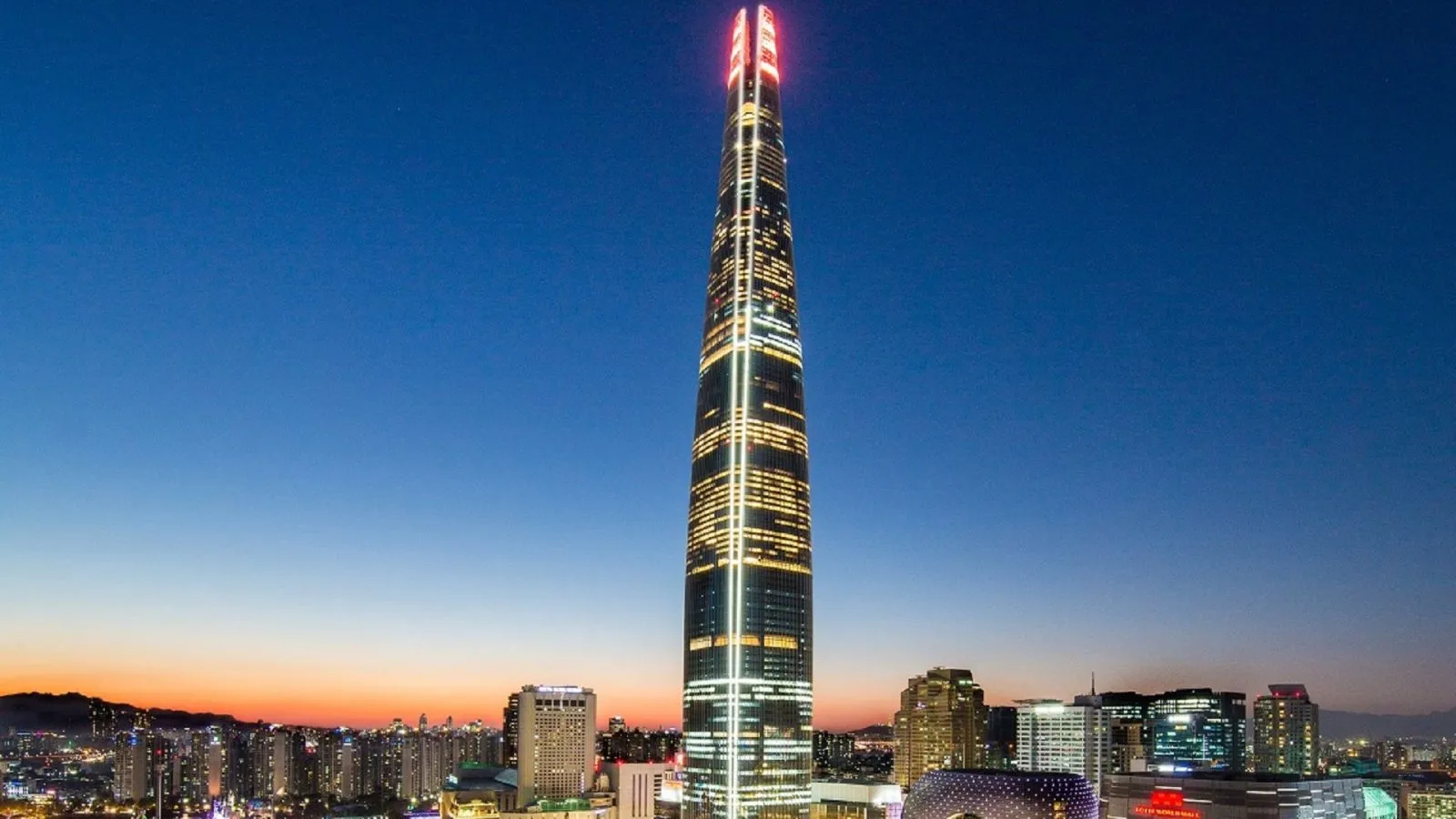
Modern Architecture in South Korea: Seoul Skyscrapers

priceless-stories.org – South Korea, with its bustling capital city of Seoul, has become a global hub for innovation, technology, and modern architecture. Among the myriad of attractions that Seoul offers, its skyline, punctuated by towering skyscrapers, stands out as a testament to the country’s rapid development and architectural prowess. These structures are not just buildings; they are symbols of South Korea’s economic growth, cultural identity, and technological advancement.

The Rise of Seoul’s Skyscrapers

The history of skyscrapers in Seoul is relatively recent, with the city’s skyline beginning to change dramatically in the late 20th century. This transformation was fueled by South Korea’s rapid industrialization and economic boom, which saw the country transition from a developing nation to a leading global economy. As Seoul grew, so did its appetite for modern architecture, leading to the construction of numerous skyscrapers that now define the city’s landscape.

Iconic Skyscrapers of Seoul

Lotte World Tower

Standing tall at 555 meters, the Lotte World Tower is the epitome of modern architecture in Seoul. Completed in 2016, this skyscraper is not just the tallest building in Korea but also one of the tallest in the world. Its sleek, tapered design and glass facade reflect the city’s commitment to innovation and aesthetic beauty. The tower houses a shopping mall, offices, hotels, and residential apartments, making it a microcosm of urban living.

N Seoul Tower

While not as tall as its modern counterparts, the N Seoul Tower holds a special place in the city’s architectural landscape. Located atop Namsan Mountain, this 236-meter-tall communication and observation tower offers panoramic views of Seoul. Its unique location and the N Seoul Tower N Grill, a revolving restaurant, make it a popular tourist attraction. The tower is a symbol of the city’s blend of tradition and modernity, with its base surrounded by the ancient Namsangol Hanok Village.

COEX Mall

The COEX Mall is a significant architectural achievement, not for its height but for its sprawling size and innovative design. This underground shopping and convention center is one of the largest of its kind in the world. The complex includes a mall, a convention center, a casino, and several hotels, all connected by a network of underground passages. The COEX Mall is a prime example of how Seoul integrates modern architecture with functionality and convenience.

The Role of Skyscrapers in Seoul’s Urban Development

Skyscrapers in Seoul are more than just impressive structures; they play a crucial role in the city’s urban development. By maximizing space in a densely populated area, these buildings help address the challenges of urban living, such as housing shortages and traffic congestion. Moreover, they serve as economic hubs, attracting businesses, tourists, and investors to the city.

Conclusion

Seoul’s skyscrapers are a testament to South Korea’s remarkable journey from post-war devastation to a global leader in technology and architecture. These towering structures are emblematic of the city’s dynamic spirit, blending traditional Korean aesthetics with cutting-edge design. As Seoul continues to evolve, its skyline will undoubtedly feature even more innovative and breathtaking architectural marvels, further cementing its status as a city of the future.