Listening Legends: Stories of Famous Ears

priceless-stories.org – Throughout history, certain individuals have demonstrated extraordinary listening abilities that have left lasting impacts on society. “Listening Legends: Stories of Famous Ears” takes a closer look at some remarkable figures whose exceptional listening skills have shaped their legacies and influenced the world around them.

Ludwig van Beethoven: The Composer Who Listened Beyond Sound

Ludwig van Beethoven is perhaps one of the most famous examples of a musician whose ability to “listen” transcended his physical limitations. Despite becoming almost completely deaf in his late 20s, Beethoven continued to compose some of the most celebrated works in classical music. His profound internal listening and understanding of musical theory allowed him to create symphonies that resonate with audiences even today. Beethoven’s story is a testament to the power of listening with the mind and heart, beyond the mere act of hearing.

Helen Keller: Listening Through Silence

Helen Keller, an advocate for the disabled and an author, lost both her sight and hearing at a young age. With the help of her teacher, Anne Sullivan, Keller learned to “listen” through tactile sign language and vibrations. Her remarkable ability to communicate and understand the world through alternative means made her a powerful voice for change and inspiration. Keller’s story illustrates the profound impact of listening through alternative senses and the human capacity to adapt and connect.

Nelson Mandela: The Leader Who Listened to Understand

Nelson Mandela, the former President of South Africa, was renowned for his ability to listen deeply to others, even those who opposed him. During his years of imprisonment and subsequent leadership, Mandela used listening as a tool for reconciliation and understanding. By empathizing with diverse perspectives, he fostered dialogue that paved the way for peace and unity in a divided nation. Mandela’s legacy highlights the power of listening as a means of fostering empathy and driving social change.

Mister Rogers: Listening with Compassion

Fred Rogers, known to millions as Mister Rogers, was a beloved television host who became famous for his gentle and compassionate listening style. On his show, “Mister Rogers’ Neighborhood,” he addressed complex emotions and topics by listening empathetically to children and their concerns. His ability to create a safe space for open expression and understanding endeared him to generations. Mister Rogers’ approach underscores the importance of listening with compassion and kindness.

Conclusion

“Listening Legends: Stories of Famous Ears” celebrates individuals who have harnessed the power of listening to overcome challenges, inspire change, and connect with others. Their stories remind us that listening is not merely a passive act but an active and transformative force that can shape history and touch lives. By learning from these legends, we can cultivate our own listening abilities, creating a more empathetic and connected world.

Living on the Edge: Stories from Dangerous Areas

priceless-stories.org – Around the globe, there are regions where the forces of nature, political instability, or environmental challenges create precarious living conditions. Despite these dangers, people continue to call these places home, exhibiting remarkable resilience and adaptability. In this article, we explore stories from individuals and communities living on the edge, where daily life is a testament to human courage and resourcefulness.

Life in Tornado Alley

In the heart of the United States lies Tornado Alley, a region known for its frequent and violent tornadoes. Residents like the Johnson family in Oklahoma have learned to live with the constant threat by building storm shelters and participating in community drills. Their story is one of vigilance and community solidarity, as neighbors unite to rebuild and support each other after each storm.

Navigating the Slopes of Mount Merapi

Mount Merapi in Indonesia is one of the most active volcanoes in the world. Communities living on its slopes have adapted to the looming danger by developing early warning systems and evacuation plans. Local farmer Agus tells of his experiences balancing agricultural life with the ever-present threat of eruptions, showcasing a harmonious relationship between humans and nature’s unpredictability.

Surviving the Streets of Caracas

In Caracas, Venezuela, political turmoil and economic instability have created a challenging environment. Residents like Maria, a schoolteacher, navigate daily life amidst shortages and safety concerns. Her story reflects the resilience of those who continue to strive for better conditions, focusing on education and community projects to foster hope and change.

Enduring the Siberian Cold

In Yakutsk, Russia, one of the coldest inhabited places on Earth, residents endure extreme winters with temperatures plummeting below -40°C (-40°F). Alexei, a local craftsman, explains how traditional knowledge and modern technology help the community cope with the severe climate. From specialized clothing to innovative heating solutions, their lifestyle is a fascinating blend of old and new.

Thriving in the Amazon Basin

In the Amazon Basin, indigenous communities like the Yanomami have lived for centuries amid the challenges of dense jungle and potential conflicts over land. Their deep understanding of the forest and dedication to preserving their cultural heritage offer insights into sustainable living and the importance of environmental stewardship.

Conclusion

Living on the edge in dangerous areas requires a unique blend of adaptability, courage, and communal support. The stories from these regions highlight the human capacity to thrive in the face of adversity, offering inspiring examples of how individuals and communities navigate the challenges of their environments. By sharing their experiences, we gain a deeper appreciation for the resilience and ingenuity that define life in these remarkable places.

Historic Phoenix: Stories from the Heart of the Desert

priceless-stories.org – Phoenix, Arizona, may be known for its modern skyline and sprawling desert, but beneath the surface lies a rich tapestry of history that tells the story of its transformation from a small agricultural community to a bustling metropolis. This article takes you on a journey through Historic Phoenix, exploring the landmarks, stories, and heritage that define the heart of the desert.

1. Pueblo Grande Museum: Echoes of Ancient Cultures

The story of Phoenix begins long before its incorporation as a city, with the ancient Hohokam people who inhabited the region over a thousand years ago. The Pueblo Grande Museum and Archaeological Park offers a glimpse into this ancient civilization with its preserved archaeological site. Visitors can explore the ruins and learn about the Hohokam’s sophisticated irrigation systems, which laid the groundwork for modern Phoenix.

2. Heritage Square: A Step Back in Time

Nestled in downtown Phoenix, Heritage Square is a charming reminder of the city’s Victorian past. The square features beautifully restored homes and buildings dating back to the late 1800s. Among these is the Rosson House Museum, a meticulously preserved Victorian home that offers guided tours, providing insight into the lifestyles of Phoenix’s early residents. The area also hosts cultural events and festivals, celebrating the city’s historical roots.

3. The Arizona Capitol Museum: A Chronicle of Statehood

The Arizona Capitol Museum, housed in the historic state capitol building, chronicles Arizona’s journey to statehood and beyond. With exhibits on the state’s political history, Native American heritage, and natural resources, the museum offers a comprehensive look at the forces that shaped Arizona. Visitors can explore the historic chambers and learn about the pivotal events that defined the state’s path.

4. Orpheum Theatre: A Legacy of Entertainment

The Orpheum Theatre, a beautifully restored Spanish Baroque-style venue, has been a cornerstone of Phoenix’s cultural scene since its opening in 1929. Originally a vaudeville house, the theater has hosted a wide array of performances, from classic films to Broadway shows. With its ornate architecture and rich history, the Orpheum remains a beloved landmark that continues to entertain and inspire.

5. Tovrea Castle: A Desert Oasis

Tovrea Castle at Carraro Heights, often referred to as the “Wedding Cake Castle,” is a unique landmark that adds a touch of whimsy to Phoenix’s historical narrative. Built in the 1920s, the castle and its surrounding cactus gardens offer a glimpse into the ambitious dreams of its original builders. Guided tours of the property reveal stories of its past and plans for its preservation.

Conclusion: Preserving the Past in a Modern City

Phoenix’s history is a testament to its resilience and adaptability, weaving together stories of ancient cultures, pioneering settlers, and modern visionaries. As the city continues to evolve, efforts to preserve its historical sites and share its stories remain vital. Whether you’re exploring ancient ruins, strolling through Victorian neighborhoods, or marveling at architectural wonders, Historic Phoenix invites you to connect with the past and appreciate the rich heritage that continues to shape the heart of the desert.

Lesser-Known Ghost Stories from Around the World

Ghosts have long fascinated humanity, with tales of the supernatural woven into the fabric of cultures across the globe. While some stories have become iconic, many others remain hidden in the shadows, known only to the locals or buried within ancient texts. This article aims to shed light on some of these lesser-known ghost stories from around the world, offering a glimpse into the diverse and rich tapestry of paranormal beliefs that exist beyond the well-trodden paths.

Japan: The Ghost of Okiku

The Real Japanese Story That Helped Inspire 'The Ring'

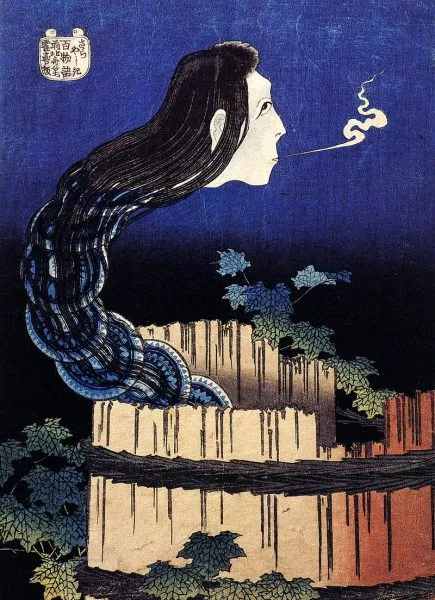
In Japan, the story of Okiku is a chilling tale that is not as widely known as that of Sadako from “The Ring.” Okiku was a servant who worked in a castle during the Edo period. She was given ten plates to look after, but one day, she broke one of them. Fearing the wrath of her master, she threw herself into a well and drowned. Now, her ghost is said to haunt the well, counting the plates over and over again, forever lamenting her loss.

Scotland: The Brownie of Blednoch

The Brownie Of Blednoch Poem - By William Nicholson

The Scottish folklore is rich with tales of fairies and spirits, but one lesser-known story is that of the Brownie of Blednoch. Brownies are said to be small, hardworking spirits that help with household chores in exchange for a bit of food left out for them. The Brownie of Blednoch was particularly attached to a farm in Galloway. He would perform chores at night, but when the family forgot to leave him out his bowl of milk, he left, never to return.

India: The Ghost of Rani Padmini

Top 5 Haunted Places In Jaipur For Thriller Seekers

Rani Padmini, the legendary queen of Chittor, is a figure shrouded in mystery and tragedy. According to legend, she was of unparalleled beauty, which attracted the attention of the Sultan of Delhi, Alauddin Khilji. After a siege and the defeat of her husband’s forces, Rani Padmini and the other women of the fort chose to commit Jauhar—a ritual mass suicide by fire—to avoid capture and dishonor. It is said that her ghost still roams the Chittorgarh Fort, mourning the loss of her kingdom and her people.

Mexico: La Llorona

La Llorona and myths of filicide | SYFY WIRE

While La Llorona is known in some circles, her story is often overshadowed by more popular Mexican folklore figures like El Charro Negro or La Santa Muerte. La Llorona, or “The Weeping Woman,” is said to wander the rivers and streams at night, searching for her children whom she drowned in a fit of madness. Her haunting cries can be heard by those who dare to venture near the water’s edge, serving as a warning against the sins of desperation and vengeance.

Australia: The Min Min Light

Why The 'Min Min Lights' Are The Scariest Things In Australia That You've  Never Heard Of

Australia’s outback is home to a mysterious phenomenon known as the Min Min Light. This unexplained light is said to follow travelers through the desert, sometimes leading them astray. The origins of the Min Min Light are unknown, with theories ranging from ghostly will-o’-the-wisps to the spirits of the Indigenous Australians. The light has been reported for over a century, yet it remains one of the country’s most enduring mysteries.

Vietnam: The Lady in the Red Dress

Lady in Red

In Vietnam, the story of a lady in a red Áo Dài (traditional Vietnamese dress) is whispered among the locals. She is said to haunt the streets of Hanoi, particularly around the Hoan Kiem Lake. The legend varies, with some saying she was a victim of war, while others believe she was a jilted lover who took her own life. Whatever the truth, her ghostly figure is often reported by those who walk the streets at night.

These stories are just a few examples of the myriad ghost tales that exist around the world. Each one offers a unique insight into the cultural beliefs and fears of the societies from which they originate. As we explore these lesser-known narratives, we not only expand our understanding of the paranormal but also gain a deeper appreciation for the rich diversity of human storytelling. Whether these tales are based on truth or are purely the product of vivid imaginations, they continue to captivate and intrigue us, reminding us of the enduring power of the unknown.