Listening Legends: Stories of Famous Ears

priceless-stories.org – Throughout history, certain individuals have demonstrated extraordinary listening abilities that have left lasting impacts on society. “Listening Legends: Stories of Famous Ears” takes a closer look at some remarkable figures whose exceptional listening skills have shaped their legacies and influenced the world around them.

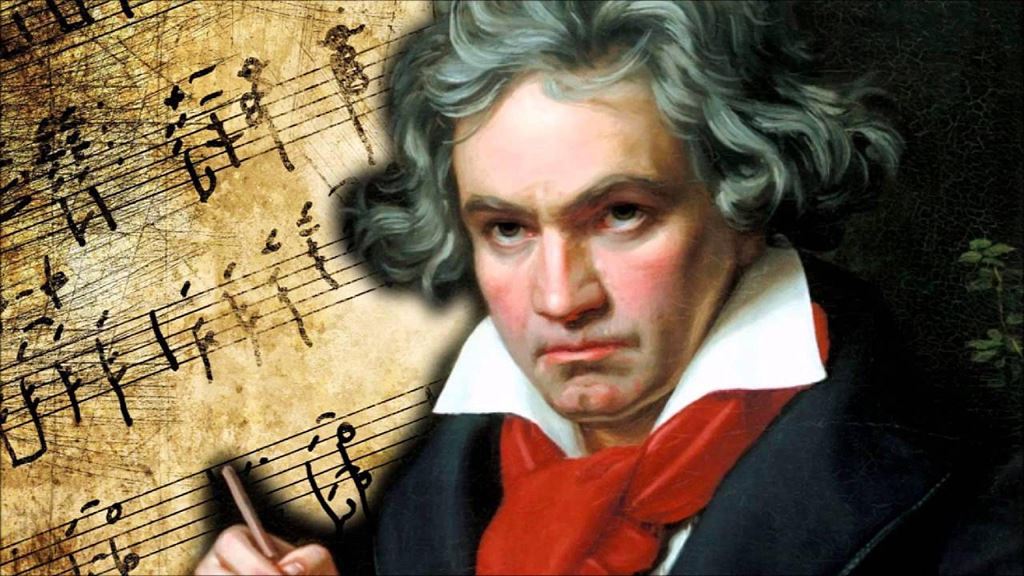
Ludwig van Beethoven: The Composer Who Listened Beyond Sound

Ludwig van Beethoven is perhaps one of the most famous examples of a musician whose ability to “listen” transcended his physical limitations. Despite becoming almost completely deaf in his late 20s, Beethoven continued to compose some of the most celebrated works in classical music. His profound internal listening and understanding of musical theory allowed him to create symphonies that resonate with audiences even today. Beethoven’s story is a testament to the power of listening with the mind and heart, beyond the mere act of hearing.

Helen Keller: Listening Through Silence

Helen Keller, an advocate for the disabled and an author, lost both her sight and hearing at a young age. With the help of her teacher, Anne Sullivan, Keller learned to “listen” through tactile sign language and vibrations. Her remarkable ability to communicate and understand the world through alternative means made her a powerful voice for change and inspiration. Keller’s story illustrates the profound impact of listening through alternative senses and the human capacity to adapt and connect.

Nelson Mandela: The Leader Who Listened to Understand

Nelson Mandela, the former President of South Africa, was renowned for his ability to listen deeply to others, even those who opposed him. During his years of imprisonment and subsequent leadership, Mandela used listening as a tool for reconciliation and understanding. By empathizing with diverse perspectives, he fostered dialogue that paved the way for peace and unity in a divided nation. Mandela’s legacy highlights the power of listening as a means of fostering empathy and driving social change.

Mister Rogers: Listening with Compassion

Fred Rogers, known to millions as Mister Rogers, was a beloved television host who became famous for his gentle and compassionate listening style. On his show, “Mister Rogers’ Neighborhood,” he addressed complex emotions and topics by listening empathetically to children and their concerns. His ability to create a safe space for open expression and understanding endeared him to generations. Mister Rogers’ approach underscores the importance of listening with compassion and kindness.

Conclusion

“Listening Legends: Stories of Famous Ears” celebrates individuals who have harnessed the power of listening to overcome challenges, inspire change, and connect with others. Their stories remind us that listening is not merely a passive act but an active and transformative force that can shape history and touch lives. By learning from these legends, we can cultivate our own listening abilities, creating a more empathetic and connected world.

The Enigmatic Undertaker: A Legend in Professional Wrestling

priceless-stories.org – The Undertaker, born Mark William Calaway, is a name that resonates deeply within the world of professional wrestling. Known for his iconic character and unparalleled career, the Undertaker has left an indelible mark on the sport. This article delves into the life, career, and legacy of one of the most revered figures in WWE history.

Early Life and Career Beginnings

Mark William Calaway was born on October 24, 1965, in Houston, Texas. His journey into professional wrestling began in the late 1980s, but it was his transformation into the Undertaker that truly launched his career. The Undertaker persona, a mysterious and powerful figure, was introduced in 1990 and quickly became a fan favorite.

The Undertaker’s Character and Persona

The Undertaker’s character is deeply rooted in the concept of death and the afterlife. His signature look, complete with a black top hat, tuxedo, and a long black coat, has become instantly recognizable. The character’s persona is that of a grim reaper, a figure who brings about the end of his opponents’ careers. This dark and ominous presence has made the Undertaker one of the most feared and respected wrestlers in the industry.

Career Highlights

The Undertaker’s career is filled with numerous highlights and achievements. Some of the most notable include:

  • The Streak: The Undertaker’s undefeated streak at WrestleMania, which spanned from 1990 to 2010, is one of the most impressive records in professional wrestling history. This streak ended after 21 consecutive victories, making it a legendary feat.
  • WrestleMania Matches: The Undertaker has been a mainstay at WrestleMania, participating in some of the most memorable matches in the event’s history. His matches often set the tone for the entire show.
  • Championships: Throughout his career, the Undertaker has won multiple championships, including the World Heavyweight Championship and the World Tag Team Championship.

Legacy and Impact

The Undertaker’s impact on professional wrestling extends far beyond his in-ring accomplishments. His character has inspired countless wrestlers and fans alike, and his influence can be seen in the dark and dramatic storylines that are now common in the sport. The Undertaker’s retirement in 2020 marked the end of an era, but his legacy continues to inspire new generations of wrestlers and fans.

Conclusion

The Undertaker’s career is a testament to the power of character and storytelling in professional wrestling. His ability to captivate audiences and create unforgettable moments has solidified his place as one of the greatest wrestlers of all time. As fans look back on his career, they are reminded of the magic and drama that the Undertaker brought to the ring, making him a true legend in the world of professional wrestling.

Tracking Beasts of Legend: Monster Hunter’s Handbook

priceless-stories.org – In the shadowy corners of our world, where the light of reason and science struggles to penetrate, there lurk creatures of myth and legend. These beasts, born from the folklore and nightmares of countless cultures, have long been the subject of fascination and fear. The Monster Hunter’s Handbook: Tracking Beasts of Legend is a comprehensive guide for those brave—or perhaps foolhardy—enough to seek out these elusive entities.

The handbook begins with an introduction to the world of cryptozoology, the study of hidden or legendary animals. It delves into the history of monster hunting, from the ancient civilizations that worshipped or feared these creatures, to the modern-day enthusiasts who scour the globe for evidence of their existence. The authors, a team of seasoned cryptozoologists and adventurers, emphasize the importance of respect for these creatures and the environments they inhabit.

Chapter One: The Basics of Beast Tracking
This chapter provides an essential foundation for the aspiring monster hunter. It covers the basics of tracking, including how to read signs and markings left by creatures, the importance of stealth, and the art of camouflage. The authors also discuss the various tools of the trade, from high-tech gadgets like thermal imaging cameras to more traditional items like maps, compasses, and sturdy boots.

Chapter Two: The Legends
Here, the handbook explores the legends and lore surrounding some of the most famous cryptids, such as Bigfoot, the Loch Ness Monster, and the Chupacabra. Each creature is described in detail, with information on its supposed habitat, behavior, and the evidence that has been gathered over the years. The chapter also includes interviews with eyewitnesses and experts, providing a rich tapestry of stories and theories.

Chapter Three: The Hunt
The heart of the handbook, this chapter offers practical advice on how to hunt for cryptids. It covers everything from choosing a location and preparing for the journey to the ethical considerations of monster hunting. The authors stress the importance of not disturbing the natural habitat and the need for skepticism and scientific rigor in documenting any findings.

Chapter Four: Survival Skills
Venturing into the wilderness to track beasts of legend is not without its dangers. This chapter equips the reader with the survival skills necessary to navigate the rugged terrain and unpredictable weather that often accompany such expeditions. It includes tips on first aid, shelter building, and foraging for food and water.

Chapter Five: The Evidence
This chapter is dedicated to the analysis and documentation of evidence. It teaches readers how to take credible photographs and videos, make casts of footprints, and collect DNA samples. The authors also discuss the importance of peer review and the scrutiny of evidence by the scientific community.

Chapter Six: The Ethical Monster Hunter
The final chapter of The Monster Hunter’s Handbook addresses the ethical considerations of monster hunting. It discusses the impact that hunters can have on the environment and the creatures they seek. The authors argue for a conservationist approach, advocating for the protection of these creatures and their habitats, rather than the pursuit of sensational discoveries at any cost.

The Monster Hunter’s Handbook: Tracking Beasts of Legend is not just a guide for those who wish to encounter the unknown; it is a call to adventure, a plea for respect for the natural world, and a celebration of the human spirit’s unquenchable thirst for mystery. Whether you are a seasoned cryptozoologist or a curious armchair adventurer, this handbook offers a wealth of knowledge and inspiration for your journey into the shadows of our world’s most enduring legends.