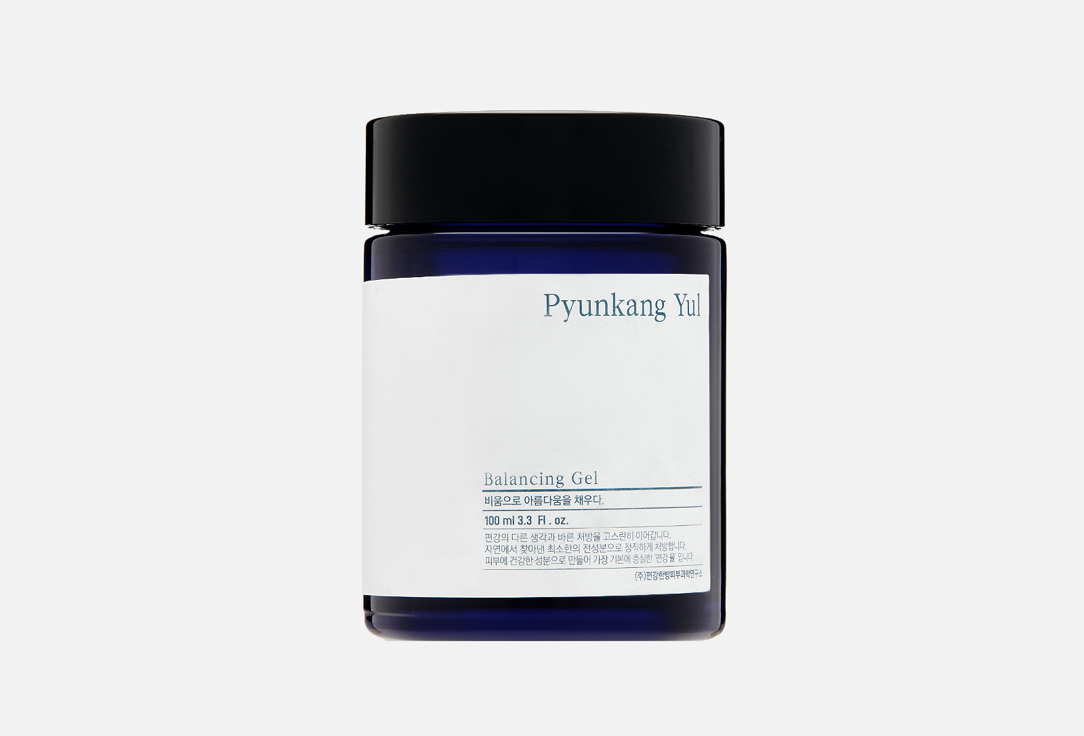
Pyunkang Yul Balancing Gel: For Healthy, Balanced Skin

priceless-stories.org – When it comes to skincare, finding the right balance is key. Too much hydration can lead to greasy, oily skin, while too little can cause dryness and irritation. That’s where Pyunkang Yul Balancing Gel comes in — a product designed to strike the perfect balance for your skin, leaving it hydrated, smooth, and healthy.

Pyunkang Yul is a beloved South Korean skincare brand known for its commitment to gentle, effective, and naturally derived ingredients. The brand focuses on creating products that cater to sensitive skin, with a philosophy rooted in minimalism and the idea that less is more. The Pyunkang Yul Balancing Gel is one of the brand’s star products, offering hydration, soothing benefits, and skin barrier protection, all without the heavy, greasy feel that often accompanies moisturizing products.

In this article, we will explore the features, benefits, key ingredients, and how to use the Pyunkang Yul Balancing Gel as part of your skincare routine. Whether you have oily, dry, or combination skin, this gel could be the perfect solution to help maintain a balanced complexion.

What is Pyunkang Yul Balancing Gel?

The Pyunkang Yul Balancing Gel is a lightweight, fast-absorbing gel moisturizer designed to provide deep hydration while maintaining the skin’s natural balance. Unlike traditional moisturizers that can be heavy or greasy, this gel has a refreshing, non-oily formula that helps restore moisture to the skin without overloading it.

Formulated for all skin types, especially those with sensitive, oily, or acne-prone skin, this gel is a great choice for people looking to hydrate their skin without the worry of clogged pores or excessive shine. Its minimalist, soothing formulation ensures that it nourishes and protects the skin while minimizing the risk of irritation or breakouts.

Key Features of Pyunkang Yul Balancing Gel

1. Lightweight Gel Texture

The Pyunkang Yul Balancing Gel has a unique gel texture that offers hydration without feeling heavy or sticky. Its smooth, refreshing formula is perfect for those who prefer lightweight moisturizers that absorb quickly and leave no greasy residue.

2. Deep Hydration without Overloading

One of the standout features of this gel is its ability to deeply hydrate the skin while maintaining balance. Many moisturizers can be too heavy for those with oily or combination skin, but the Balancing Gel offers the ideal level of moisture, ensuring that your skin stays hydrated without excess oil production.

3. Soothing and Calming

Formulated with ingredients that calm and soothe the skin, this gel helps reduce redness and irritation. Whether your skin is reacting to environmental stressors or underlying conditions, the Pyunkang Yul Balancing Gel works to restore comfort and balance.

4. Non-Comedogenic

If you have acne-prone skin, you’ll appreciate that this gel is non-comedogenic, meaning it won’t clog your pores. Instead, it helps regulate oil production while keeping the skin hydrated, making it an excellent option for people with oily or combination skin.

5. Free from Harsh Additives

True to the brand’s philosophy, the Pyunkang Yul Balancing Gel is free from artificial fragrances, parabens, alcohol, and other harsh chemicals. This makes it suitable for individuals with sensitive skin or those looking for a more natural skincare routine.

6. Balances Skin’s pH

The gel helps to maintain and restore your skin’s natural pH level, ensuring that your skin remains in a healthy, balanced state. This is crucial for preventing skin issues such as dryness, excess oil, and irritation.

Key Ingredients in Pyunkang Yul Balancing Gel

The Pyunkang Yul Balancing Gel stands out for its carefully selected ingredients that support skin health while maintaining balance. Here are some of the key ingredients in the formula and how they benefit your skin:

1. Corydalis Yanhusuo Root Extract

Corydalis Yanhusuo Root Extract is a potent anti-inflammatory ingredient traditionally used in Korean skincare for its calming effects. It helps soothe irritated skin and reduce redness, making it ideal for sensitive or inflamed skin. This root extract also promotes skin healing and helps improve overall skin texture.

2. Centella Asiatica (Gotu Kola) Extract

Centella Asiatica is a well-known herb that has a long history of use in skincare for its healing and anti-inflammatory properties. It promotes collagen production, improves skin elasticity, and helps strengthen the skin barrier. Additionally, it helps to soothe and repair skin that may be inflamed or irritated, making it a valuable ingredient in any moisturizing product.

3. Glycerin

Glycerin is a humectant, meaning it helps draw moisture into the skin, keeping it hydrated. This ingredient is essential for maintaining skin’s moisture levels, particularly in dry or dehydrated skin. Glycerin works to lock in hydration, ensuring your skin remains soft and smooth throughout the day.

4. Butylene Glycol

Butylene Glycol is a skin-conditioning agent that helps improve the texture of the product and enhances its ability to deliver moisture to the skin. It also has soothing properties, which help calm the skin and maintain its balance. Butylene Glycol also acts as a carrier for other ingredients, ensuring they are absorbed effectively.

5. Sodium Hyaluronate (Hyaluronic Acid)

Sodium Hyaluronate is a form of hyaluronic acid that holds water and attracts moisture to the skin. This ingredient is known for its incredible ability to hydrate the skin, keeping it plump and nourished. It also helps reduce the appearance of fine lines and wrinkles by providing deep hydration.

6. Artemisia Princeps (Mugwort) Extract

Artemisia Princeps, commonly known as Mugwort, has strong anti-inflammatory and antioxidant properties. It helps to calm and soothe the skin, making it especially beneficial for those with irritated or sensitive skin. Mugwort extract also helps regulate oil production and maintain the skin’s natural moisture barrier.

Benefits of Pyunkang Yul Balancing Gel

The Pyunkang Yul Balancing Gel offers a wide range of benefits, making it a versatile addition to your skincare routine. Here are some of the key benefits of this product:

1. Hydrates Without Overloading

The gel offers long-lasting hydration without making the skin feel greasy or heavy. It’s perfect for individuals with oily or combination skin who need moisture but don’t want to clog pores or exacerbate oiliness.

2. Soothes and Calms the Skin

With its blend of calming ingredients like Centella Asiatica and Corydalis Yanhusuo, the Balancing Gel helps soothe irritated skin, reduce redness, and calm inflammation. This makes it an excellent choice for those with sensitive skin or conditions like rosacea or acne.

3. Prevents Dryness and Tightness

The gel helps maintain the skin’s moisture balance, preventing the skin from feeling dry or tight after cleansing. It keeps the skin feeling soft, smooth, and comfortable all day long.

4. Regulates Oil Production

For those with oily or combination skin, the gel helps regulate oil production, preventing excess shine and breakouts. It moisturizes without stimulating more oil production, leaving the skin feeling refreshed and balanced.

5. Strengthens the Skin Barrier

The ingredients in the gel work to strengthen the skin’s natural barrier, protecting it from environmental stressors and preventing moisture loss. A strong skin barrier is essential for maintaining healthy, resilient skin.

6. Non-Irritating Formula

The formula is free from harsh chemicals, fragrances, and alcohol, making it safe for even the most sensitive skin. It provides moisture and soothing relief without causing irritation or breakouts.

7. Ideal for All Skin Types

Whether you have oily, dry, combination, or sensitive skin, the Pyunkang Yul Balancing Gel is suitable for all skin types. Its lightweight formula makes it especially beneficial for those who struggle with balancing hydration and oil control.

How to Use Pyunkang Yul Balancing Gel

Incorporating the Pyunkang Yul Balancing Gel into your skincare routine is simple and easy. Here’s how to use it for the best results:

Step-by-Step Guide:

  1. Cleanse Your Face: Start with a gentle cleanser to remove dirt, oil, and impurities from your skin.
  2. Apply Toner: Use a toner to balance your skin’s pH and prepare it for moisturizing.
  3. Apply the Balancing Gel: Take an appropriate amount of the Pyunkang Yul Balancing Gel and gently apply it to your face, focusing on areas that need extra hydration.
  4. Massage and Let Absorb: Massage the gel into your skin using upward motions, allowing it to fully absorb.
  5. Moisturize (Optional): If needed, you can follow up with an additional moisturizer or sunscreen in the morning.

Frequency of Use

For best results, apply the Balancing Gel both morning and night as part of your daily skincare routine. You can adjust the amount depending on your skin’s needs.

Conclusion

The Pyunkang Yul Balancing Gel is a must-have product for anyone seeking a lightweight, effective, and non-irritating moisturizer that provides balanced hydration. Whether you have oily, dry, or sensitive skin, this gel is designed to restore moisture, soothe irritation, and maintain your skin’s natural balance.

With its carefully selected ingredients and calming properties, the Balancing Gel is suitable for all skin types and is ideal for individuals with sensitive or acne-prone skin. If you’re looking for a moisturizer that hydrates without overloading the skin or causing irritation, the Pyunkang Yul Balancing Gel could be the perfect addition to your skincare routine.
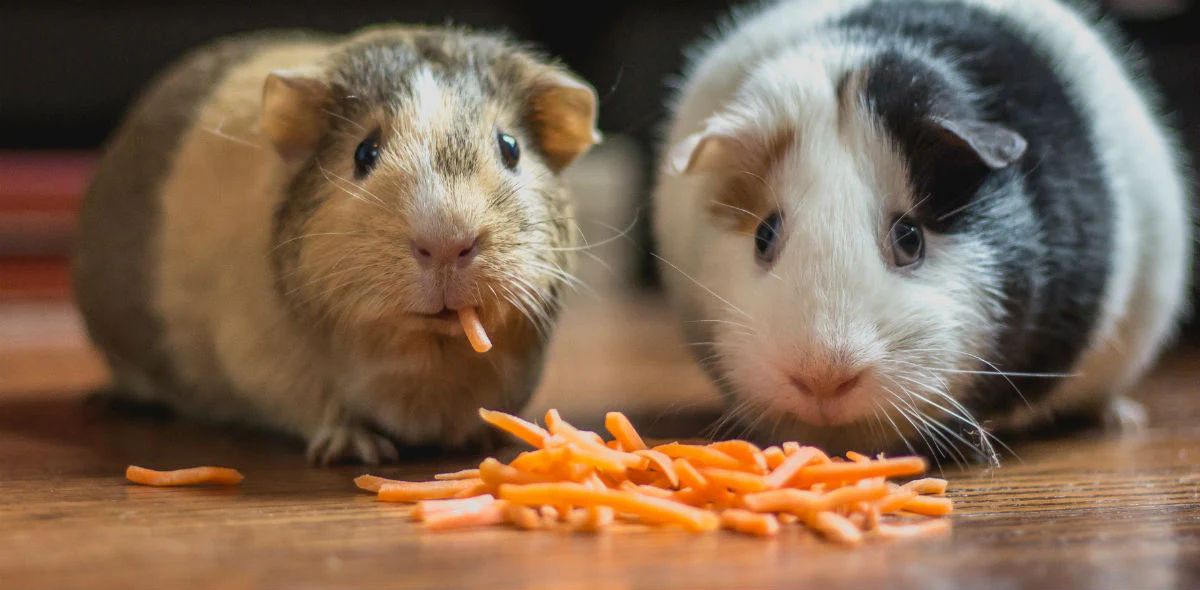
Guinea Pig Food: A Guide to a Healthy Diet for Your Guinea Pig

priceless-stories.org – Guinea pigs are adorable, sociable pets that require a well-balanced, nutrient-rich diet to thrive. Unlike many other small pets, guinea pigs have unique dietary needs, including a requirement for vitamin C that their bodies cannot produce. Ensuring your guinea pig gets the right mix of food is key to their long-term health. In this article, we’ll dive into the essentials of guinea pig nutrition and offer practical tips for maintaining a healthy diet.

1. Nutritional Needs of Guinea Pigs

Guinea pigs are herbivores, which means their diet is entirely plant-based. Their nutritional needs include:

  • High fiber: Essential for healthy digestion
  • Low fat and low protein: Guinea pigs don’t need a high-protein or high-fat diet
  • Vitamin C: A crucial nutrient that guinea pigs cannot produce on their own

A well-balanced guinea pig diet should consist mainly of hay, supplemented with fresh vegetables, fruits, and fortified pellets.

2. Hay: The Cornerstone of a Guinea Pig’s Diet

Hay is the most important component of a guinea pig’s diet. It provides the fiber necessary to maintain a healthy digestive system and keeps their teeth in good condition by wearing them down naturally. There are several types of hay, but timothy hay is considered the best option for adult guinea pigs due to its high fiber content and low calcium levels. Other suitable types include:

  • Orchard grass
  • Meadow hay
  • Oat hay

Guinea pigs should have unlimited access to fresh hay at all times. Replace it daily to ensure it stays clean and free of mold or contaminants.

3. Pellets: Nutritionally Balanced Food

Commercial guinea pig pellets are formulated to provide essential vitamins and minerals, including vitamin C, which is crucial for their health. When choosing pellets, make sure they are specifically designed for guinea pigs and not for other small animals like rabbits or hamsters. Look for pellets that contain:

  • Vitamin C: At least 20-25 mg per day
  • No seeds or artificial additives: Avoid pellets with added sugars or colored bits

Limit the amount of pellets to 1/8 to 1/4 cup per day per guinea pig to prevent overeating and weight gain.

4. Fresh Vegetables: Vital Source of Nutrients

Vegetables are a key part of a guinea pig’s diet and provide essential nutrients, particularly vitamin C. Aim to give your guinea pig a variety of fresh veggies daily. Some of the best options include:

  • Bell peppers (high in vitamin C)
  • Leafy greens: Romaine lettuce, cilantro, kale, spinach (in moderation due to high calcium)
  • Carrots: Small amounts to avoid excessive sugar intake
  • Cucumbers: Great for hydration
  • Zucchini, broccoli, and parsley

Feed about 1 cup of fresh vegetables per day, and make sure to introduce new vegetables gradually to prevent digestive upset.

5. Fruits: An Occasional Treat

Fruits can be offered as occasional treats, but due to their high sugar content, they should be fed sparingly. A few small pieces of fruit a couple of times a week are sufficient. Safe fruits for guinea pigs include:

  • Strawberries
  • Apples (without seeds)
  • Blueberries
  • Pears
  • Melon

Too much fruit can lead to weight gain and digestive problems, so moderation is key.

6. Vitamin C Supplements: Ensuring Adequate Intake

Guinea pigs are prone to vitamin C deficiency, which can lead to scurvy, a serious health condition that causes joint pain, swollen gums, and lethargy. To prevent this, ensure that your guinea pig receives enough vitamin C through their diet. Some ways to ensure adequate vitamin C intake include:

  • Pellets fortified with vitamin C
  • Vitamin C-rich vegetables like bell peppers
  • Vitamin C supplements: You can use a liquid vitamin C supplement added to water or food, but consult your vet first.

Avoid relying solely on water supplements, as vitamin C can degrade quickly in water and may not provide consistent intake.

7. Foods to Avoid

While guinea pigs enjoy a wide variety of fresh foods, there are some that should be avoided due to potential toxicity or health risks. Never feed your guinea pig the following:

  • Iceberg lettuce (low nutritional value, can cause diarrhea)
  • Potatoes (and potato skins)
  • Onions, garlic, or chives
  • Rhubarb
  • Avocado (high in fat, toxic in large amounts)
  • Chocolate, dairy products, or processed human foods

These foods can cause digestive issues or be harmful to your guinea pig’s health.

8. Hydration: Fresh Water is Crucial

Guinea pigs need constant access to clean, fresh water. Use a water bottle with a sipper tube, as it prevents contamination from bedding and food. Check and refill the water daily, and clean the bottle regularly to prevent bacteria buildup. Ensure the water bottle is functioning properly, as guinea pigs can easily become dehydrated if they don’t have access to water.

9. Feeding Tips and Schedule

  • Provide hay at all times: Make sure your guinea pig always has fresh hay available to chew on.
  • Daily veggies: Feed your guinea pig fresh vegetables every day, rotating different varieties to provide a range of nutrients.
  • Monitor weight and eating habits: Keep an eye on your guinea pig’s weight and behavior. If they seem to be losing or gaining too much weight, adjust their diet accordingly.
  • Check for dental health: Guinea pigs have teeth that continuously grow, so hay and chewing toys are essential to help wear them down naturally.

10. Conclusion

A well-balanced diet is essential for keeping your guinea pig healthy and happy. By providing unlimited access to high-quality hay, fresh vegetables, vitamin C-rich foods, and the occasional pellet and treat, you can ensure that your guinea pig thrives. Be mindful of their specific dietary needs, including their need for vitamin C, and always provide fresh water. With the right diet and care, your guinea pig will enjoy a long, active, and healthy life.

A Guide to Healthy Nails: Nail Care Fundamentals

Healthy nails are not just a sign of good grooming but also an indicator of overall well-being. They can reflect your dietary habits, hydration levels, and even underlying health conditions. Achieving and maintaining healthy nails requires a combination of proper care, nutrition, and lifestyle choices. This guide will walk you through the fundamentals of nail care, ensuring your nails are strong, resilient, and beautiful.

1. Understanding Nail Anatomy

Before diving into care practices, it’s essential to understand the basic anatomy of a fingernail or toenail. Each nail consists of the nail plate, nail bed, cuticle, and nail fold. The nail plate is the hard, protective surface that covers the tip of each finger and toe. The nail bed is the skin beneath the nail plate, rich in blood vessels and nerves. The cuticle, or eponychium, is the thin sheath of skin at the base and sides of the nail that seals the gap between the nail plate and the skin, protecting the nail matrix from infection.

2. Basic Nail Care Practices

  • Keep Nails Clean: Regularly clean under your nails to prevent dirt and bacteria from accumulating. Use a soft brush and mild soap to gently scrub under and around your nails.
  • Trim Wisely: Cut your nails straight across and slightly round the edges to prevent ingrown nails. Avoid cutting them too short, as this can expose the nail bed to infections.
  • Moisturize: Keeping your nails and the surrounding skin well-hydrated is crucial. Apply a moisturizer or cuticle oil daily to prevent dryness and brittleness.
  • Protect Your Nails: Wear gloves when engaging in activities that could expose your nails to harsh chemicals, extreme temperatures, or physical trauma.

3. Nutrition and Nail Health

A balanced diet rich in vitamins and minerals is essential for nail health. Key nutrients include:

  • Biotin (Vitamin B7): Often touted for its benefits in improving nail strength and thickness.
  • Iron: Iron deficiency can lead to brittle nails and spoon-shaped nails.
  • Zinc: Important for nail growth and repair.
  • Vitamin C and E: Antioxidants that protect nails from damage.
  • Omega-3 Fatty Acids: Found in fish oil, these can help moisturize nails from the inside out.

4. Avoiding Common Nail Problems

  • Biting and Picking: These habits can lead to damaged, infected nails. Find alternative stress-relief methods if you’re prone to nail biting.
  • Overuse of Nail Products: Frequent use of nail polish removers, especially those containing acetone, can dry out nails. Opt for gentler, acetone-free removers when possible.
  • Avoid Harsh Chemicals: Exposure to chemicals like formaldehyde, toluene, and dibutyl phthalate (DBP) can weaken nails. Look for nail products labeled “3-free” or “5-free” to avoid these harmful substances.

5. When to Seek Professional Help

If you notice persistent changes in your nails, such as yellowing, thickening, or the appearance of spots or lines, it may be time to consult a healthcare professional. These changes can sometimes indicate fungal infections, psoriasis, or other health issues.

Conclusion

Healthy nails are within reach with a little care and attention. By understanding the basics of nail anatomy, practicing good nail hygiene, maintaining a balanced diet, and avoiding common pitfalls, you can ensure your nails are a beautiful reflection of your overall health. Remember, when in doubt, seek professional advice to address any concerns or conditions that may arise.