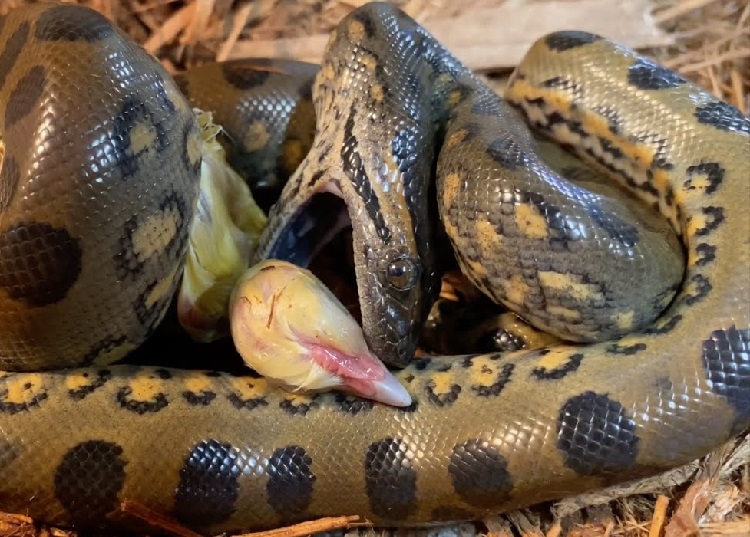
The Diet of the Anaconda: Master of the South American Wetlands

priceless-stories.org – Anacondas, especially the green anaconda (Eunectes murinus), are among the largest and most powerful snakes in the world. These giant constrictors inhabit the swamps, rivers, and rainforests of South America and are renowned for their ability to take down large prey. This article delves into the unique feeding habits and diet of the anaconda, exploring how this formidable predator sustains its massive size.

Hunting Techniques and Feeding Behavior

Anacondas are ambush predators that rely on stealth and strength to capture their prey. They spend much of their time in water, which helps support their immense weight and makes them more agile hunters. Often, anacondas lie in wait, partially submerged, allowing them to surprise unsuspecting animals that come to drink or cross their path.

Once an anaconda catches its prey, it wraps its muscular body around the animal and tightens its coils. This process, known as constriction, restricts blood flow and leads to the suffocation of the prey. Contrary to popular belief, anacondas do not crush their prey’s bones; instead, they apply enough pressure to stop the heart from pumping blood. Once the prey is subdued, the anaconda swallows it whole, starting with the head. They are capable of swallowing animals several times wider than their own body, thanks to their highly flexible jaws.

Diet in Early Life Stages

Juvenile anacondas begin hunting small animals shortly after birth. While they lack the size and strength of adults, they are still effective predators, preying on smaller and more manageable creatures. Their diet often includes:

  • Fish: Young anacondas often start by hunting small fish in shallow water. They rely on their aquatic habitat to catch prey that is abundant and easy to subdue.
  • Amphibians: Frogs, toads, and other small amphibians are common prey for juvenile anacondas. These animals are often found in the same wet environments where anacondas thrive.
  • Birds: Small birds that land near water sources can become easy targets for young anacondas.
  • Rodents: Juvenile anacondas will also prey on small mammals, such as rodents, when they venture near the water.

Adult Anaconda Diet

As anacondas grow larger, their ability to hunt bigger prey increases. Adult anacondas are capable of subduing and consuming animals that are far larger than themselves. Some of the most common prey for adult anacondas include:

  • Mammals: Larger mammals, such as capybaras, deer, peccaries, and wild pigs, form a significant part of an adult anaconda’s diet. These animals are often caught at the water’s edge or while swimming.
  • Birds: Waterfowl and other birds that frequent wetlands and rivers are also on the menu. Adult anacondas are skilled at striking birds that are resting on the surface of the water or nearby branches.
  • Reptiles: Adult anacondas will occasionally prey on other reptiles, including caimans, turtles, and smaller snakes. In some cases, they even cannibalize other anacondas.
  • Fish: Although they focus on larger prey, adult anacondas still hunt large fish when available.
  • Rodents and small mammals: Animals such as agoutis, rabbits, and opossums are frequently hunted by adult anacondas, especially in areas where larger prey is scarce.

Large Prey: The Key to Anaconda Growth

Anacondas are renowned for their ability to consume extremely large animals relative to their size. There are documented cases of anacondas taking down and eating prey such as jaguars, caimans, and even humans, though these instances are rare. The larger the prey, the longer it takes for the anaconda to digest, and some of the biggest meals can sustain the snake for weeks or even months.

Opportunistic Feeders

Anacondas are opportunistic predators, meaning they will eat whatever prey is most accessible and available. While they typically hunt aquatic and semi-aquatic animals, they are capable of hunting land-dwelling creatures when the opportunity arises. This adaptability makes them successful hunters in the diverse ecosystems of the Amazon and surrounding areas.

Feeding Frequency and Metabolism

Due to their slow metabolism, anacondas do not need to eat frequently. After consuming a large meal, an anaconda can go weeks or even months without feeding. Their efficient digestive system allows them to break down bones, flesh, and fur, leaving little waste behind. However, during periods of higher activity, such as the breeding season, they may feed more frequently to maintain their energy levels.

Conclusion

Anacondas are apex predators in their environment, capable of consuming a wide variety of animals, from small fish to large mammals. Their powerful constriction, combined with their patience and stealth, makes them highly effective hunters. Whether hunting in the water or on land, anacondas are opportunistic feeders, adapting to whatever prey is available in their habitat. Their remarkable ability to capture and consume large prey ensures their survival in the lush, competitive ecosystems of South America.
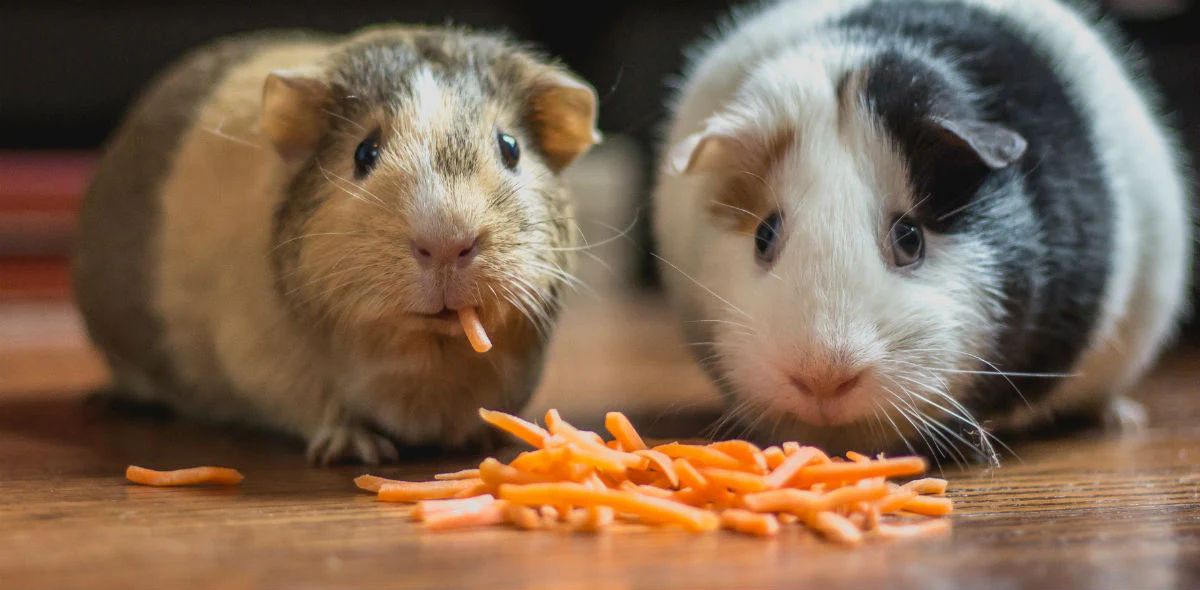
Guinea Pig Food: A Guide to a Healthy Diet for Your Guinea Pig

priceless-stories.org – Guinea pigs are adorable, sociable pets that require a well-balanced, nutrient-rich diet to thrive. Unlike many other small pets, guinea pigs have unique dietary needs, including a requirement for vitamin C that their bodies cannot produce. Ensuring your guinea pig gets the right mix of food is key to their long-term health. In this article, we’ll dive into the essentials of guinea pig nutrition and offer practical tips for maintaining a healthy diet.

1. Nutritional Needs of Guinea Pigs

Guinea pigs are herbivores, which means their diet is entirely plant-based. Their nutritional needs include:

  • High fiber: Essential for healthy digestion
  • Low fat and low protein: Guinea pigs don’t need a high-protein or high-fat diet
  • Vitamin C: A crucial nutrient that guinea pigs cannot produce on their own

A well-balanced guinea pig diet should consist mainly of hay, supplemented with fresh vegetables, fruits, and fortified pellets.

2. Hay: The Cornerstone of a Guinea Pig’s Diet

Hay is the most important component of a guinea pig’s diet. It provides the fiber necessary to maintain a healthy digestive system and keeps their teeth in good condition by wearing them down naturally. There are several types of hay, but timothy hay is considered the best option for adult guinea pigs due to its high fiber content and low calcium levels. Other suitable types include:

  • Orchard grass
  • Meadow hay
  • Oat hay

Guinea pigs should have unlimited access to fresh hay at all times. Replace it daily to ensure it stays clean and free of mold or contaminants.

3. Pellets: Nutritionally Balanced Food

Commercial guinea pig pellets are formulated to provide essential vitamins and minerals, including vitamin C, which is crucial for their health. When choosing pellets, make sure they are specifically designed for guinea pigs and not for other small animals like rabbits or hamsters. Look for pellets that contain:

  • Vitamin C: At least 20-25 mg per day
  • No seeds or artificial additives: Avoid pellets with added sugars or colored bits

Limit the amount of pellets to 1/8 to 1/4 cup per day per guinea pig to prevent overeating and weight gain.

4. Fresh Vegetables: Vital Source of Nutrients

Vegetables are a key part of a guinea pig’s diet and provide essential nutrients, particularly vitamin C. Aim to give your guinea pig a variety of fresh veggies daily. Some of the best options include:

  • Bell peppers (high in vitamin C)
  • Leafy greens: Romaine lettuce, cilantro, kale, spinach (in moderation due to high calcium)
  • Carrots: Small amounts to avoid excessive sugar intake
  • Cucumbers: Great for hydration
  • Zucchini, broccoli, and parsley

Feed about 1 cup of fresh vegetables per day, and make sure to introduce new vegetables gradually to prevent digestive upset.

5. Fruits: An Occasional Treat

Fruits can be offered as occasional treats, but due to their high sugar content, they should be fed sparingly. A few small pieces of fruit a couple of times a week are sufficient. Safe fruits for guinea pigs include:

  • Strawberries
  • Apples (without seeds)
  • Blueberries
  • Pears
  • Melon

Too much fruit can lead to weight gain and digestive problems, so moderation is key.

6. Vitamin C Supplements: Ensuring Adequate Intake

Guinea pigs are prone to vitamin C deficiency, which can lead to scurvy, a serious health condition that causes joint pain, swollen gums, and lethargy. To prevent this, ensure that your guinea pig receives enough vitamin C through their diet. Some ways to ensure adequate vitamin C intake include:

  • Pellets fortified with vitamin C
  • Vitamin C-rich vegetables like bell peppers
  • Vitamin C supplements: You can use a liquid vitamin C supplement added to water or food, but consult your vet first.

Avoid relying solely on water supplements, as vitamin C can degrade quickly in water and may not provide consistent intake.

7. Foods to Avoid

While guinea pigs enjoy a wide variety of fresh foods, there are some that should be avoided due to potential toxicity or health risks. Never feed your guinea pig the following:

  • Iceberg lettuce (low nutritional value, can cause diarrhea)
  • Potatoes (and potato skins)
  • Onions, garlic, or chives
  • Rhubarb
  • Avocado (high in fat, toxic in large amounts)
  • Chocolate, dairy products, or processed human foods

These foods can cause digestive issues or be harmful to your guinea pig’s health.

8. Hydration: Fresh Water is Crucial

Guinea pigs need constant access to clean, fresh water. Use a water bottle with a sipper tube, as it prevents contamination from bedding and food. Check and refill the water daily, and clean the bottle regularly to prevent bacteria buildup. Ensure the water bottle is functioning properly, as guinea pigs can easily become dehydrated if they don’t have access to water.

9. Feeding Tips and Schedule

  • Provide hay at all times: Make sure your guinea pig always has fresh hay available to chew on.
  • Daily veggies: Feed your guinea pig fresh vegetables every day, rotating different varieties to provide a range of nutrients.
  • Monitor weight and eating habits: Keep an eye on your guinea pig’s weight and behavior. If they seem to be losing or gaining too much weight, adjust their diet accordingly.
  • Check for dental health: Guinea pigs have teeth that continuously grow, so hay and chewing toys are essential to help wear them down naturally.

10. Conclusion

A well-balanced diet is essential for keeping your guinea pig healthy and happy. By providing unlimited access to high-quality hay, fresh vegetables, vitamin C-rich foods, and the occasional pellet and treat, you can ensure that your guinea pig thrives. Be mindful of their specific dietary needs, including their need for vitamin C, and always provide fresh water. With the right diet and care, your guinea pig will enjoy a long, active, and healthy life.