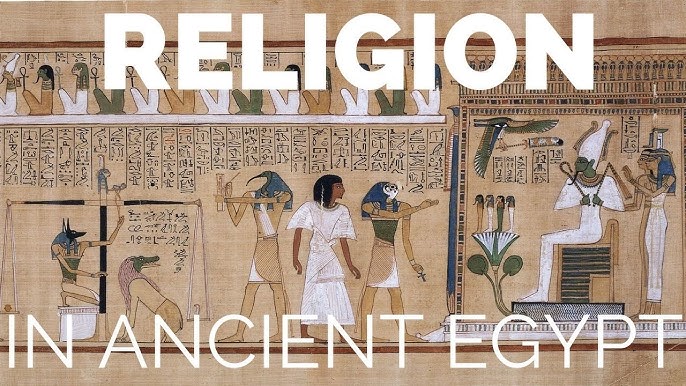
Impactful Role: Angie Dickinson in “Tension at Table Rock”

priceless-stories.org – In the 1956 Western film Tension at Table Rock, Angie Dickinson makes a brief but memorable appearance. Though her role is relatively minor, it showcases the early promise of an actress who would soon become a Hollywood icon.

A Femme Fatale in the Wild West

Dickinson portrays a seductive and manipulative woman who plays a pivotal role in setting the film’s plot in motion. Her character’s allure and cunning contribute to the film’s suspenseful atmosphere and drive the protagonist’s journey.

A Stepping Stone to Stardom

While her role in Tension at Table Rock may be fleeting, it was a significant step in Dickinson’s career. This early film helped establish her as a talented and versatile actress, paving the way for her future success in both television and film.

A Classic Western

Tension at Table Rock is a classic Western that explores themes of redemption, revenge, and the complexities of the human condition. Dickinson’s performance, though brief, adds depth and intrigue to the film’s narrative.

Though her role in Tension at Table Rock may be relatively minor, it serves as a reminder of Dickinson’s early talent and her ability to command the screen, even in a small part.

Subordinate Roles of Women in Classical Antiquity

priceless-stories.org – The role of women in classical antiquity, encompassing the civilizations of ancient Greece and Rome, was predominantly subordinate to that of men. This subordination was deeply ingrained in the social, legal, and cultural fabric of these societies, reflecting broader patriarchal norms that persisted throughout the ancient world.

Legal and Social Subordination

In both ancient Greece and Rome, women had limited legal rights and were considered inferior to men in both political and social spheres. For instance, in ancient Rome, women were not allowed to vote, hold public office, or participate in political life. Their legal status was also dependent on their male relatives, such as their fathers or husbands, who had the authority to make decisions on their behalf12.

Cultural and Literary Depictions

Literature from the period often reinforced the subordinate status of women. In Greek tragedies, female characters were frequently portrayed as victims or as catalysts for male-driven narratives. Figures like Antigone, Clytemnestra, and Medea, while complex and powerful in their own right, were ultimately defined by their relationships to men and their roles within the family structure3. Similarly, in Roman literature, women were often depicted as secondary characters whose primary roles were to support and serve the male protagonists2.

Naming Practices and Identity

Roman naming practices also reflected the subordinate status of women. While male citizens had three names—praenomen, nomen, and cognomen—women typically only had a praenomen and a nomen, which was often derived from their father’s nomen. This naming convention underscored the idea that a woman’s identity was tied to her male relatives rather than being an independent entity2.

Challenges to the Traditional Narrative

Despite the overwhelming evidence of women’s subordination, some scholars argue that the picture was not entirely bleak. There were instances where women exercised influence and agency, particularly in the domestic sphere. For example, in ancient Athens, women played crucial roles as wives and mothers, which were highly valued within the family structure7. However, these roles were still defined by their relationship to men and did not grant them equal status in the broader society.

Conclusion

The subordinate roles of women in classical antiquity were a result of deeply entrenched patriarchal norms that permeated all aspects of life. While there were occasional instances of female agency and influence, the overall narrative of women’s roles was one of subordination to men. This historical context provides valuable insights into the evolution of gender roles and the ongoing struggle for gender equality.
Scribe of the Divine Offerings: Role in Ancient Egyptian Religion

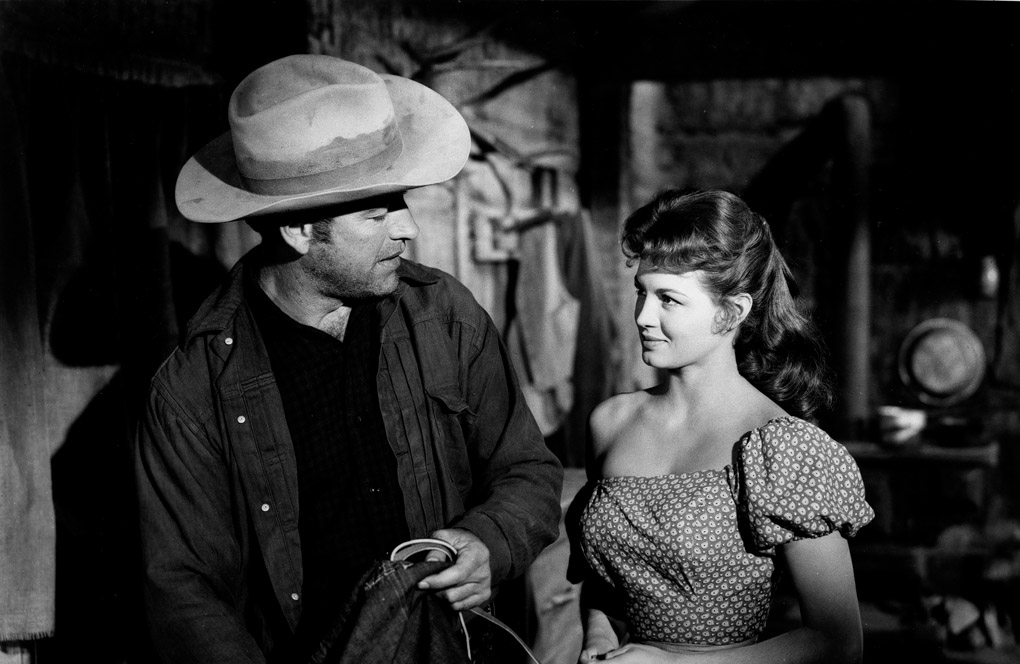
priceless-stories.org – In ancient Egypt, the Scribe of the Divine Offerings held a crucial position within the religious hierarchy. These scribes were responsible for meticulously recording the offerings presented to the gods, ensuring that the divine beings received their due and that the rituals were conducted according to tradition. This role was essential for maintaining the cosmic order and ensuring the favor of the deities.

The Importance of Divine Offerings

Divine offerings were a central aspect of ancient Egyptian religion. These offerings, which could include food, wine, flowers, and other items, were believed to sustain the gods and maintain their benevolence towards humanity. The act of offering was also a way for individuals to communicate with the divine, seeking blessings, protection, and guidance.

Types of Offerings

  • Food and Drink: Bread, beer, meat, and wine were common offerings, providing sustenance to the gods.
  • Flowers and Incense: These were offered to please the gods with their fragrance and beauty.
  • Statues and Amulets: These were given as symbols of devotion and to invoke the gods’ protection.

The Role of the Scribe of the Divine Offerings

The Scribe of the Divine Offerings was tasked with documenting every aspect of the offerings made to the gods. This included recording the type, quantity, and quality of the offerings, as well as the date and the occasion of the presentation. These records were kept in temple archives and were consulted to ensure that the rituals were performed consistently and correctly.

Responsibilities

  • Recording Offerings: Scribes used hieroglyphs to record the details of each offering, ensuring an accurate and permanent record.
  • Inventory Management: They kept track of the temple’s resources, ensuring that there were sufficient materials for the offerings.
  • Ritual Oversight: Scribes often assisted in the preparation and presentation of offerings, ensuring that the rituals were conducted according to the prescribed protocols.

The Training and Status of Scribes

Becoming a Scribe of the Divine Offerings required extensive training in hieroglyphic writing, religious rituals, and temple administration. These scribes were highly respected members of society, often coming from educated and privileged backgrounds.

Education and Skills

  • Hieroglyphic Writing: Scribes were proficient in hieroglyphs, the sacred writing system used in religious and official documents.
  • Religious Knowledge: They had a deep understanding of Egyptian mythology, rituals, and the significance of various offerings.
  • Administrative Skills: Scribes were skilled in managing resources, organizing rituals, and maintaining temple records.

Conclusion

The Scribe of the Divine Offerings played a vital role in ancient Egyptian religion, ensuring that the gods received their proper offerings and that the cosmic order was maintained. Through their meticulous record-keeping and religious expertise, these scribes helped to preserve the traditions and rituals that were central to Egyptian spiritual life. Their legacy is a testament to the importance of religious practice and the enduring influence of ancient Egyptian culture.