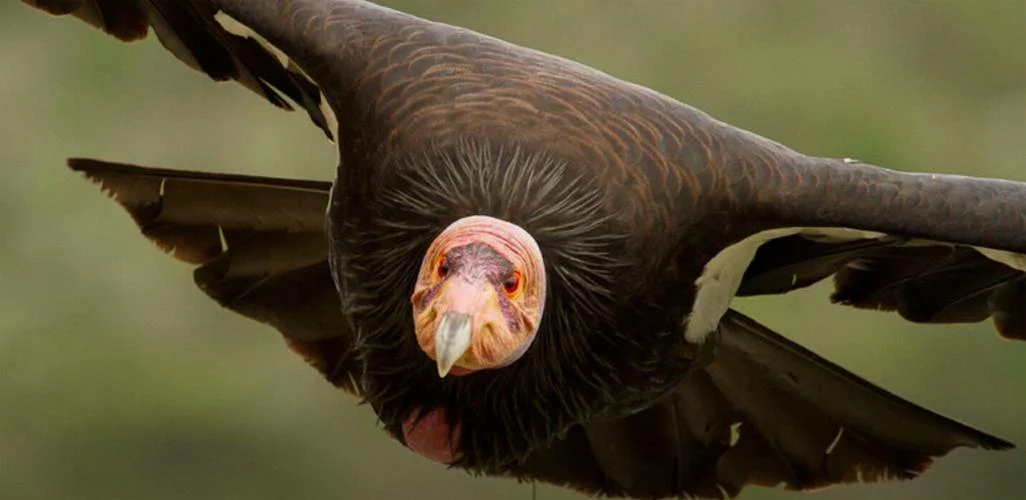
The California Condor: A Majestic Bird on the Brink of Extinction

priceless-stories.org – The California condor, Gymnogyps californianus, is a magnificent bird, known for its massive wingspan and distinctive bald head. Once soaring freely across the skies of North America, this iconic species faced a perilous decline in the 20th century. A combination of factors, including habitat loss, hunting, and lead poisoning, pushed the condor to the brink of extinction.   

By the 1980s, the population dwindled to a mere 22 individuals. The last wild condors were captured in 1987 and placed into a captive breeding program, a desperate attempt to save the species from oblivion.   

A Herculean Effort: The California Condor Recovery Program

The California Condor Recovery Program, a collaborative effort between government agencies, zoos, and conservation organizations, was launched to restore the condor population. This ambitious project involved captive breeding, habitat restoration, and public education.  

Captive Breeding:

  • A Breeding Ground for Hope: Zoos and wildlife centers across the United States established breeding programs to increase the number of condors.   
  • Careful Monitoring: Scientists closely monitored the breeding pairs, ensuring the survival of each chick.
  • Hand-Raising: In some cases, condors were hand-raised to minimize human imprinting and prepare them for release into the wild.   

Habitat Restoration:

  • Protecting Critical Habitat: Efforts were made to protect and restore the condor’s natural habitat, including coastal cliffs, canyons, and mountain ranges.
  • Reducing Threats: Measures were implemented to mitigate threats such as power lines, wind turbines, and lead poisoning.   

Public Education and Outreach:

  • Raising Awareness: Public education campaigns were launched to inform the public about the plight of the California condor and the importance of conservation.
  • Engaging Communities: Local communities were involved in conservation efforts, fostering a sense of ownership and responsibility.

A Triumphant Return: Reintroduction to the Wild

The first reintroduction of captive-bred condors to the wild began in 1992. These majestic birds were released into carefully selected sites in California and Arizona.   

Challenges and Setbacks:

  • Lead Poisoning: Despite efforts to reduce lead exposure, lead poisoning from ingested ammunition fragments remained a significant threat to the condor population.   
  • Human Interaction: Accidental human disturbance and habitat fragmentation posed challenges to the reintroduced condors.

Overcoming Obstacles:

  • Strict Regulations: Regulations were implemented to limit lead use in hunting and fishing, reducing the risk of lead poisoning.   
  • Monitoring and Tracking: Condors were fitted with radio transmitters to track their movements and monitor their health.   
  • Public Awareness: Continued public education and outreach helped to minimize human disturbance and promote conservation.   

A Hopeful Future: The California Condor’s Recovery

Through the tireless efforts of conservationists and dedicated individuals, the California condor has made a remarkable recovery. The population has steadily increased, and the birds have expanded their range.   

A Symbol of Hope: The California condor’s story is a testament to the power of human intervention and the resilience of nature. It serves as a symbol of hope for other endangered species.

Ongoing Challenges: While the future looks promising, the California condor still faces challenges, including habitat loss, climate change, and accidental mortality. Continued conservation efforts are essential to ensure the long-term survival of this iconic species.   

A Shared Responsibility: The conservation of the California condor is a shared responsibility. By reducing lead use, supporting conservation organizations, and promoting environmental awareness, we can help secure a future for these magnificent birds and the ecosystems they inhabit.

As we celebrate the remarkable recovery of the California condor, let us also remember the importance of protecting biodiversity and preserving our planet’s natural heritage for generations to come.
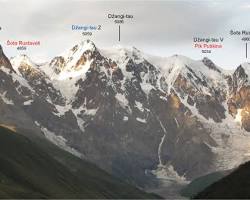
Janga: A Majestic Peak in the Caucasus

priceless-stories.org – Janga, also known as Dzhangi-Tau or Jangi-Tau, is a formidable peak in the central part of the Greater Caucasus Mountain Range. Rising to a height of 5,051 meters (16,572 feet), it ranks as the second-highest peak in Georgia and one of the most challenging climbs in the region. Its imposing presence and challenging terrain have attracted mountaineers and adventurers from around the world.   

A Geological Marvel

Janga’s formation is a result of complex geological processes that have shaped the Caucasus Mountains over millions of years. The mountain’s distinctive shape and composition are a testament to the powerful forces of nature. The surrounding landscape is characterized by rugged peaks, deep valleys, and glacial formations, offering a breathtaking panorama.

A Challenging Climb

Ascending Janga is a challenging endeavor that requires technical skills, physical fitness, and experience in high-altitude mountaineering. The mountain’s steep slopes, icy conditions, and unpredictable weather make it a formidable opponent for even the most experienced climbers. The most popular route to the summit involves a series of challenging climbs, including steep ice walls and exposed ridges.

A Natural Paradise

The Greater Caucasus is a biodiversity hotspot, and Janga plays a crucial role in supporting a rich variety of plant and animal life. The mountain’s unique microclimate creates ideal conditions for a diverse range of species, including endemic plants, rare birds, and elusive mammals. The high-altitude ecosystems, such as the alpine meadows and glacial valleys, are particularly sensitive to climate change, making conservation efforts essential to protect this fragile environment.   

A Cultural Treasure

The Caucasus Mountains have a rich cultural heritage, and Janga has played a significant role in the region’s history and folklore. The mountain has been a source of inspiration for poets, artists, and writers, and its slopes have been inhabited by humans for centuries. The villages of Svaneti, located at the foot of Janga, offer a glimpse into the region’s traditional way of life.

Conclusion

Janga, with its majestic peak, challenging terrain, and stunning natural beauty, is a true icon of the Caucasus Mountains. Whether you’re an experienced mountaineer or simply an admirer of nature’s wonders, Janga offers an unforgettable experience. As we continue to appreciate and explore this natural marvel, it is essential to protect its delicate ecosystems and ensure its preservation for future generations.

Serra da Lousã: A Majestic Mountain Range

priceless-stories.org – The Serra da Lousã is a stunning mountain range located in central Portugal, renowned for its dramatic peaks, deep valleys, and lush forests. This majestic range offers visitors a unique opportunity to explore pristine nature, historic villages, and breathtaking landscapes.

A Diverse Landscape

The Serra da Lousã boasts a diverse landscape, ranging from rolling hills and verdant valleys to rugged peaks and cascading waterfalls. Its highest point, at 1,205 meters (3,953 feet), offers panoramic views of the surrounding region. The range is home to a variety of flora and fauna, including rare and endangered species.

A Hiking Paradise

The Serra da Lousã is a paradise for hikers and nature lovers. The region’s well-marked trails offer a range of difficulty levels, from gentle walks to challenging hikes. Visitors can explore the stunning scenery, encounter picturesque villages, and discover hidden waterfalls.

Historic Villages and Cultural Heritage

The Serra da Lousã is dotted with charming historic villages that offer a glimpse into Portugal’s rich cultural heritage. These villages, with their narrow cobblestone streets, traditional architecture, and warm hospitality, provide a tranquil escape from the hustle and bustle of modern life. Visitors can explore the region’s Roman ruins, medieval castles, and historic churches, immersing themselves in the history and culture of the area.

A Geopark of Global Significance

The Serra da Lousã and Vale do Alva Geopark is a UNESCO-recognized geopark that highlights the region’s geological heritage. The geopark showcases a variety of geological formations, including granite intrusions, metamorphic rocks, and sedimentary deposits. Visitors can learn about the region’s geological history and the forces that shaped its dramatic landscape.

A Tranquil Retreat

The Serra da Lousã offers a tranquil retreat for those seeking peace and quiet. The region’s serene atmosphere, fresh air, and stunning natural beauty provide the perfect setting for relaxation and rejuvenation. Visitors can enjoy a variety of activities, such as yoga, meditation, and spa treatments, to unwind and recharge.

Conclusion

The Serra da Lousã is a hidden gem in central Portugal, offering a unique blend of natural beauty, cultural heritage, and outdoor adventure. Whether you’re a hiker, history buff, or simply looking to escape the hustle and bustle of city life, the Serra da Lousã is the perfect destination.