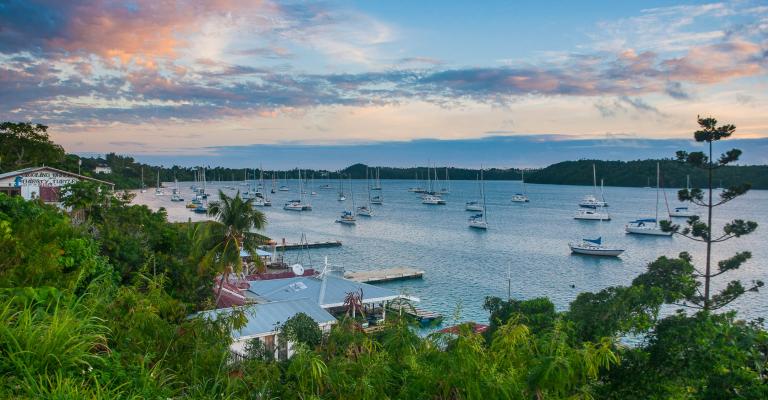
From Monarchy to Democracy: Tonga’s Political Landscape

priceless-stories.org – The Kingdom of Tonga, a Polynesian archipelago in the South Pacific, boasts a unique political landscape that has evolved from an absolute monarchy to a constitutional monarchy with democratic elements. This transformation reflects the country’s efforts to balance traditional governance with modern democratic practices, ensuring stability while addressing the aspirations of its people for greater participation in the political process. This article explores the historical development of Tonga’s political system, the role of the monarchy, and the gradual shift towards democracy.

The Monarchy in Tonga

Historical Context

Tonga’s monarchy dates back centuries, with the establishment of the Tu’i Tonga Empire in the 10th century. This empire was both a political and religious entity, with the Tu’i Tonga considered a divine ruler. Over time, the monarchy evolved, with the emergence of the Tupou dynasty in the 19th century, following the unification of the Tongan islands under King George Tupou I.

The Role of the Monarch

The monarch of Tonga, currently King Tupou VI, holds significant power within the country’s political system. The monarch is the head of state, with authority over the legislative, executive, and judicial branches of government. The monarch also plays a crucial role in appointing key government officials and has the power to dissolve the parliament.

The Evolution of Democracy in Tonga

Early Reforms

The push for democratic reforms in Tonga began in the late 19th and early 20th centuries, with the introduction of a constitution in 1875 that established a limited form of representative government. However, it was not until the late 20th century that more significant democratic changes took place.

The 2010 Constitution

A pivotal moment in Tonga’s democratic evolution was the adoption of a new constitution in 2010. This constitution significantly reduced the powers of the monarchy, establishing a more democratic framework. It introduced a unicameral parliament with a majority of seats elected by universal suffrage, replacing the previous system where a portion of seats were reserved for nobles and royal appointees.

Political Parties and Elections

The new constitution also paved the way for the formation of political parties, which had previously been banned. Since then, Tonga has held several democratic elections, with political parties competing for seats in parliament. These elections have been a testament to the growing democratic culture in Tonga, with increased participation from the electorate.

Challenges and Future Directions

Balancing Tradition and Democracy

One of the key challenges facing Tonga’s political landscape is balancing the country’s traditional monarchical system with the demands of a modern democratic society. This includes addressing issues such as the distribution of power between the monarchy and elected officials, as well as ensuring transparency and accountability in governance.

Economic and Social Development

Tonga’s political system must also address the economic and social development needs of its people. This includes improving public services, promoting economic growth, and addressing issues such as climate change, which poses a significant threat to the island nation.

Conclusion

Tonga’s political landscape reflects a delicate balance between maintaining its rich monarchical traditions and embracing democratic principles. The journey from an absolute monarchy to a constitutional monarchy with democratic elements has been a gradual process, marked by significant reforms and a growing democratic culture. As Tonga continues to navigate the complexities of modern governance, it will be crucial for the country to address the aspirations of its people while preserving its unique cultural heritage.

Tunisia’s Diverse Landscapes: The Sahara – The Mediterranean

priceless-stories.org – Tunisia, a country of striking contrasts, boasts a diverse array of landscapes that span from the arid expanses of the Sahara Desert to the lush shores of the Mediterranean Sea. This North African gem offers a rich tapestry of natural beauty, with each region presenting its own unique character and charm. From the towering dunes of the south to the tranquil beaches of the north, Tunisia’s landscapes are a testament to the country’s geographical diversity and ecological richness.

The Sahara Desert: A Sea of Sand

The southern region of Tunisia is dominated by the Sahara Desert, the world’s largest hot desert. This vast expanse of sand and rock covers much of the country’s southern territory, offering a stark yet mesmerizing landscape. The Sahara is home to towering dunes, such as those found in the Grand Erg Oriental, where the undulating sand dunes create a serene and otherworldly atmosphere. The desert is also dotted with oases, like Tozeur and Douz, which serve as vital stops for travelers and provide a glimpse into the life of the desert dwellers.

The Mediterranean Coast: A Riviera of North Africa

In stark contrast to the arid Sahara, Tunisia’s northern and eastern coasts are washed by the azure waters of the Mediterranean Sea. This region boasts a Mediterranean climate, with mild winters and warm summers, making it a popular destination for both locals and tourists seeking sun, sea, and sand. The coastal cities of Sousse, Hammamet, and Djerba are known for their beautiful beaches, vibrant nightlife, and a plethora of water sports and activities. The coastal areas are also rich in history, with ancient ruins and medieval fortifications dotting the landscape.

The Atlas Mountains: A Haven for Adventure Seekers

The northern part of Tunisia is characterized by the rugged terrain of the Atlas Mountains. These mountains offer a stark contrast to the flat expanses of the Sahara and the coastal plains. The Atlas range provides a habitat for a variety of flora and fauna, as well as being a haven for outdoor enthusiasts. Hiking, mountain biking, and rock climbing are popular activities in this region, which also offers stunning views and a cooler climate compared to the lowlands.

The Oases and Date Palms: A Green Miracle in the Desert

Scattered throughout the Sahara are the oases, which are not only vital for human settlement but also create a striking contrast against the desert backdrop. These fertile areas, such as the oasis town of Nefta, are fed by underground springs and are renowned for their date palm groves. The oases are a testament to human adaptation with nature, providing a green haven in the midst of the arid desert and supporting a unique agricultural system.

The Islands: Jewels off the Tunisian Coast

Tunisia’s coastline is dotted with several islands, each with its own distinct character. The most famous of these is Djerba, known for its sandy beaches, traditional houses, and the vibrant Erriadh village with its distinctive cube-shaped homes. The island of Kerkennah, with its tranquil atmosphere and rich birdlife, offers a more secluded experience. These islands are not only popular tourist destinations but also preserve a unique Tunisian culture and heritage.

Conclusion

Tunisia’s diverse landscapes are a reflection of the country’s geographical breadth and ecological diversity. From the sun-scorched dunes of the Sahara to the serene beaches of the Mediterranean, and from the rugged peaks of the Atlas Mountains to the lush oases, Tunisia offers a landscape for every traveler’s dream. This rich tapestry of natural beauty is complemented by the country’s rich history and culture, making Tunisia a truly unique destination that invites exploration and discovery.