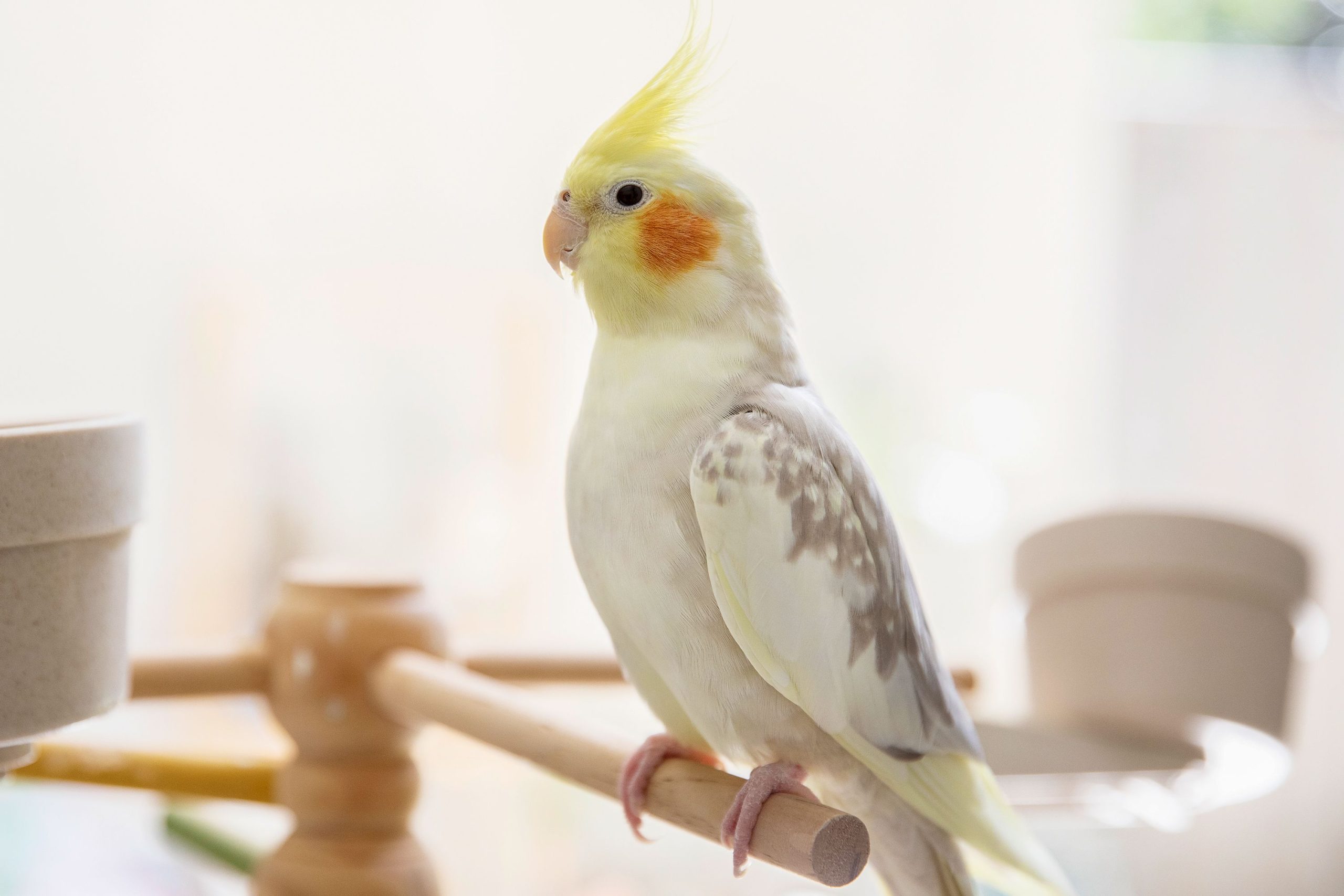
Cockatiels: Crested Charms of the Avian World

priceless-stories.org – Cockatiels (Nymphicus hollandicus) are small parrots native to Australia. Their distinctive crest, gentle personalities, and ability to mimic sounds and even human speech have made them one of the most popular pet birds worldwide. From their wild origins in the Australian outback to their presence in homes around the globe, cockatiels continue to charm and delight bird enthusiasts.   

Physical Characteristics: Crests, Colors, and Cheek Patches

Cockatiels possess several distinctive physical features:

  • Crest: Their most prominent feature is their erectile crest on top of their head, which they raise or lower to express different moods.   
  • Size: They are relatively small parrots, typically measuring around 30-33 cm (12-13 inches) in length, including their long tail.   
  • Coloration: Wild cockatiels are predominantly grey with white patches on their wings and yellow faces and crests. Males have brighter yellow faces than females. Domesticated cockatiels come in a wide array of colors and mutations, including lutino (yellow), pearl (patterned feathers), pied (patches of different colors), and cinnamon (brownish-grey).   
  • Orange Cheek Patches: They have distinctive orange cheek patches, which are more prominent in males.   
  • Zygodactyl Feet: Like all parrots, they have zygodactyl feet (two toes pointing forward and two pointing backward), which aids in gripping branches and other surfaces.   

Classification and Origins: Native to Australia

Cockatiels are the only member of the genus Nymphicus within the cockatoo family Cacatuidae. Their wild ancestors are native to the arid and semi-arid regions of Australia, inhabiting open woodlands, scrublands, and grasslands.   

Habitats and Distribution: From Outback Flocks to Domestic Cages

Wild cockatiels are nomadic, following food and water sources across the Australian outback. They form large flocks, especially during non-breeding season. Domesticated cockatiels are found worldwide as pets.   

Diet and Foraging: Primarily Seed Eaters

In the wild, cockatiels primarily feed on:

  • Seeds: Grass seeds and seeds from other native plants are their main food source.
  • Vegetation: They may also consume small amounts of vegetation, fruits, and insects.   

Domesticated cockatiels thrive on a balanced diet consisting of:

  • Pellets: Pelleted diets are often recommended as they provide a more complete and balanced nutrition than seed mixes alone.   
  • Seed Mixes: A high-quality seed mix formulated for cockatiels can be offered in moderation.   
  • Fresh Fruits and Vegetables: Offer a variety of fresh fruits and vegetables daily to provide essential vitamins and minerals.   

Behavior: Social, Vocal, and Affectionate

Cockatiels are highly social and intelligent birds, known for their gentle and affectionate personalities.   

  • Vocalization: They are vocal birds, producing a variety of calls, whistles, and chirps. They are also capable of mimicking sounds and even human speech, although not as proficiently as some larger parrots. 
  • Social Interactions: They thrive on interaction with their human companions and can form strong bonds.   
  • Playfulness: They enjoy playing with toys, chewing on objects, and exploring their environment.   
  • Dust Bathing: They regularly take dust baths to maintain their plumage.   

Reproduction: Breeding in Captivity

Cockatiels can breed readily in captivity with proper conditions:

  • Breeding Season: Breeding season is typically triggered by longer daylight hours and abundant food.
  • Nesting: They require a nest box or other suitable nesting site.
  • Eggs: The female lays several white eggs.   
  • Incubation: Both parents share incubation duties, which lasts approximately 18-21 days.   
  • Chick Rearing: Both parents participate in feeding and caring for the chicks.   

Mutations and Varieties: A Spectrum of Colors and Patterns

Selective breeding has resulted in a wide variety of cockatiel mutations and varieties, including:

  • Lutino: Yellow with red eyes.
  • Pearl: Patterned feathers with light edges.   
  • Pied: Patches of different colors.
  • Cinnamon: Brownish-grey.
  • Whiteface: Lacking yellow or orange facial coloration.
  • Pastel Face: Diluted yellow or orange facial coloration.   

Care and Keeping: Creating a Comfortable Environment

Keeping cockatiels as pets requires providing for their specific needs:

  • Cage: A spacious cage is essential to allow for flight and exercise.   
  • Diet: A balanced diet of pellets, seeds, and fresh foods.   
  • Water: Fresh, clean water available at all times.
  • Enrichment: Toys, perches of varying diameters, and opportunities for foraging and social interaction are crucial for their mental and physical well-being.   
  • Social Interaction: Cockatiels thrive on interaction with their human companions.   
  • Veterinary Care: Regular checkups with an avian veterinarian are important for maintaining their health.   

Conclusion: Gentle Companions with Distinctive Crests

Cockatiels are beloved companions, known for their gentle personalities, charming crests, and ability to mimic sounds. Their relatively easy care and affectionate nature make them a popular choice for bird lovers of all ages. Providing them with proper care, enrichment, and social interaction ensures their well-being and allows us to fully appreciate these delightful birds from the Australian outback.


Nihau’s Early Evening Charm: Embracing the Tranquility

priceless-stories.org – Nestled in the westernmost part of the Hawaiian archipelago, Nihau is a serene and secluded island that offers a glimpse into old Hawaii. As the day transitions into early evening, the island’s beauty is illuminated by the soft glow of the setting sun, creating a tranquil and enchanting atmosphere. This article explores the unique charm of Nihau’s early evening, highlighting the island’s natural beauty, cultural traditions, and the peaceful activities that make this time of day so special.

The Allure of Nihau’s Early Evening

Nihau, often referred to as the “Forbidden Island,” is the least visited island in Hawaii due to its private ownership and limited access. This exclusivity has preserved its natural beauty and cultural heritage, making it a place of unparalleled tranquility. As the early evening approaches, the island’s landscapes are bathed in a golden light, casting long shadows and creating a serene ambiance that invites reflection and relaxation.

Natural Beauty at Dusk

1. Paniau Beach

Paniau Beach, with its pristine white sands and crystal-clear waters, is a sight to behold during the early evening. As the sun begins to set, the beach transforms into a picturesque setting, perfect for a leisurely stroll or a quiet moment of contemplation.

2. Mount Pili

The silhouette of Mount Pili against the evening sky is a breathtaking sight. This dormant volcano offers a dramatic backdrop to the island’s landscapes, and its slopes are a favorite spot for watching the sunset.

Cultural Traditions and Activities

1. Hawaiian Chanting and Hula

The early evening is a time when the island’s cultural traditions come to life. Hawaiian chanting and hula performances are often held, allowing visitors to experience the rich heritage of Nihau. These performances are a moving experience, connecting participants to the island’s history and spirituality.

2. Stargazing

With its minimal light pollution, Nihau is an ideal location for stargazing. As the sky darkens, the stars begin to twinkle, offering a clear view of the Milky Way and other celestial bodies. This activity is not only educational but also deeply meditative, providing a sense of awe and wonder.

Enjoying the Peaceful Ambiance

1. Picnics by the Shore

A picnic by the shore during the early evening is a simple yet delightful way to enjoy Nihau’s beauty. The gentle sound of the waves and the cooling breeze create a peaceful setting for a meal or a quiet conversation.

2. Reflective Walks

Taking a walk around the island as the day comes to a close is a perfect way to reflect on the day’s experiences. The quiet paths and scenic views offer a tranquil environment for introspection and connection with nature.

Conclusion

Nihau’s early evening is a time of unparalleled beauty and tranquility. The island’s natural landscapes, cultural traditions, and peaceful activities create a serene atmosphere that invites visitors to slow down and appreciate the simple joys of life. Whether you’re watching the sunset, participating in a hula performance, or simply enjoying a quiet moment by the shore, Nihau’s early evening offers a unique and memorable experience.

Embracing Vintage Charm: The Golden Age

priceless-stories.org – In a world that is constantly evolving, where trends come and go faster than ever, there’s something undeniably captivating about looking back. The Golden Age, often romanticized in literature, cinema, and design, represents an era of elegance, craftsmanship, and a certain je ne sais quoi that modern times often strive to emulate. This era, spanning from the early 20th century to the mid-1960s, was marked by significant cultural, social, and technological advancements, leaving behind a legacy that continues to inspire.

The Charm of Vintage Aesthetics

Vintage charm is not just about the past; it’s about the stories, the emotions, and the craftsmanship that each piece carries. From the Art Deco movement’s geometric patterns and bold colors to the mid-century modern’s clean lines and organic forms, each era has left its unique mark on design. These styles, when incorporated into contemporary spaces, add depth, character, and a sense of history that mass-produced items simply cannot replicate.

Embracing Vintage in Modern Living

Incorporating vintage charm into modern living spaces is a delicate balance of honoring the past while embracing the present. It’s about choosing pieces that resonate with you personally, whether it’s a 1950s cocktail dress, a beautifully aged leather trunk, or a set of mid-century dining chairs. These items, when mixed with contemporary elements, create a layered, eclectic look that is both timeless and personal.

The Sustainability Aspect

Beyond aesthetics, embracing vintage is also a sustainable choice. In an era where fast fashion and disposable furniture have become the norm, choosing vintage items reduces waste, supports the circular economy, and often results in higher quality products that are built to last. It’s a way of living that is not only stylish but also environmentally conscious.

Where to Find Vintage Treasures

The hunt for vintage treasures is part of the charm. From local flea markets and antique shops to online platforms and auctions, the possibilities are endless. Each find is a piece of history, waiting to be discovered and given a new lease on life.

Conclusion: Preserving the Past for the Future

The Golden Age, with its timeless elegance and craftsmanship, continues to inspire and influence our present. By embracing vintage charm, we not only add character and depth to our lives but also preserve the stories and craftsmanship of the past for future generations. It’s a reminder that sometimes, the most beautiful things are those that have been loved and lived with, carrying with them the patina of age and the stories of those who have cherished them before.